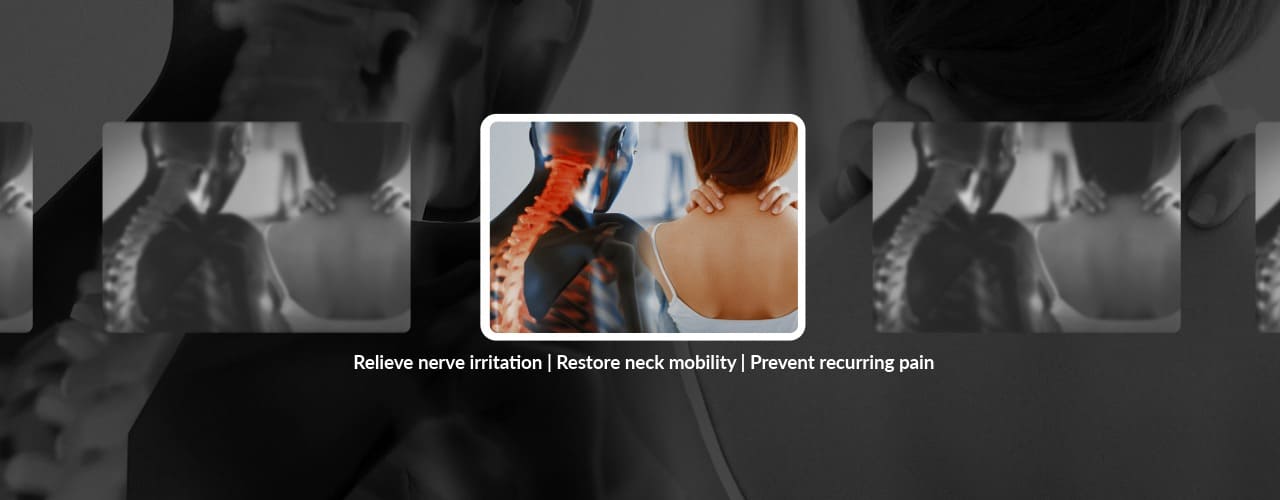
Barry (not his real name), a 46-year-old contractor, first came to Albanese Physical Therapy with sharp neck pain that began after a long workweek. He assumed the discomfort came from sleeping wrong, but the pain grew stronger each day. He also noticed tingling traveling down his arm. His therapist explained that these signs often point to a herniated disc in neck tissues, which can irritate nearby nerves. Barry’s story shows how subtle symptoms can become more obvious over time and why early physical therapy helps support recovery.
A Closer Look at How PT Helped Barry Address His Herniated Disc
Why Barry’s Symptoms Became Harder to Ignore
Barry noticed tightness along the side of his neck during the first week. By the second week, turning his head caused a sharp pull that stopped him mid-motion. He also felt weakness in his grip when carrying tools. During his evaluation, the therapist checked his neck motion, muscle strength, and nerve function. The findings showed clear signs of a herniated disc in neck tissues, including limited rotation, muscular guarding, and pressure on a nearby nerve.
How Nerve Irritation Affected Barry’s Daily Tasks
The herniated disc pressed against one of the nerves that travel into the arm. This pressure explained the tingling and numbness Barry felt when working overhead. The therapist showed him how the irritated nerve reacted during certain motions. This demonstration helped Barry understand why symptoms traveled into his arm and why he had difficulty gripping objects.
How Barry Learned the Key Signs of a Herniated Disc
His therapist explained several common signs that match the pattern of a herniated disc in neck injuries. These signs include sharp pain with certain movements, arm tingling, increased discomfort when looking down, and weakness in the shoulder or hand. Barry related to all of them. Learning these signs helped him understand what was happening inside his neck and why the discomfort kept returning during work.
How Manual Therapy Helped Barry Move More Comfortably
Barry’s therapist used gentle manual techniques to reduce tension around the irritated disc. These techniques helped ease protective muscle guarding that made turning his head difficult. As the muscles relaxed, Barry noticed less pressure during movement. This improvement helped prepare his neck for mobility and strengthening exercises.
How Mobility Training Reduced Barry’s Arm Symptoms
The therapist introduced controlled mobility exercises that encouraged smoother neck motion without aggravating the irritated tissue. These exercises supported healthy nerve movement and reduced the tingling that traveled into Barry’s arm. Over time, improved mobility helped create space for the nerve to glide comfortably.
How Strengthening Supported Barry’s Recovery
Weak muscles around the neck and upper back increased stress on the irritated disc. To correct this, the therapist added targeted strengthening exercises that supported better posture and alignment. As Barry built strength, his neck stayed more stable during work tasks. This stability helped reduce the discomfort tied to a herniated disc in neck movements.
How Posture Habits Contributed to Barry’s Symptoms
Barry spent long hours leaning forward while working on construction tasks. This posture increased pressure on the disc and made nerve irritation more likely. His therapist helped him adjust his posture during overhead work, lifting, and daily movements. These strategies reduced strain on the disc and supported long-term improvement.
How Barry Learned to Prevent Future Flare-Ups
As Barry improved, his therapist taught him simple habits that protect the neck during daily tasks. These habits included taking short movement breaks, avoiding long periods of looking down, and using proper lifting mechanics. These prevention strategies helped Barry feel more confident about avoiding future symptoms related to a herniated disc in neck tissues.
How Barry Returned to Work Stronger and More Comfortable
Within several weeks, Barry felt less arm tingling and more control when turning his head. His headaches decreased, and he regained strength in his grip. His progress showed how early intervention, guided movement, and targeted strengthening help adults recover safely from disc-related issues.
Find Supportive Neck Care at Albanese Physical Therapy
At Albanese Physical Therapy, physical therapists help adults understand the signs of a herniated disc in neck tissues and provide personalized treatment that restores mobility, reduces irritation, and improves strength. If neck discomfort or arm tingling affects your routine, contact Albanese Physical Therapy today to begin a supportive and effective recovery plan.