
Find Relief from Numbness, Tingling, and Nerve-Related Pain
Numbness, tingling, or burning sensations in your hands or feet can make everyday activities more difficult. These symptoms are often linked to peripheral neuropathy, a condition that affects how nerves communicate with the rest of the body. At Albanese Physical Therapy, treatment for peripheral neuropathy in New Brighton, PA focuses on improving movement, reducing symptoms, and helping you maintain independence.
Peripheral neuropathy can impact strength, coordination, and sensation, but with the right approach, many people can improve function and manage symptoms effectively.
Understanding Peripheral Neuropathy
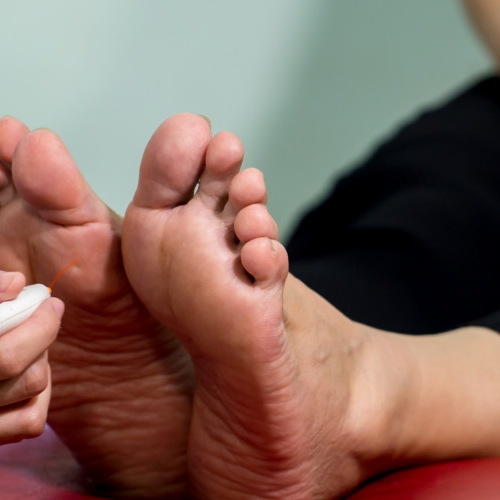
Peripheral neuropathy refers to damage or dysfunction of the peripheral nerves, which carry signals between the brain, spinal cord, and the rest of the body.
Nerves are generally grouped into three types:
- Motor nerves that control muscle movement
- Sensory nerves that transmit touch, temperature, and pain
- Autonomic nerves that regulate functions such as digestion and circulation
When these nerves are affected, communication between the brain and body becomes disrupted, leading to a range of symptoms.
Common Symptoms of Peripheral Neuropathy
Symptoms can vary depending on which nerves are involved and how severely they are affected.
Common symptoms may include:
- Numbness or tingling in the hands or feet
- Burning or sharp, shooting pain
- Increased sensitivity to touch
- Muscle weakness
- Cramping
- Difficulty with balance and coordination
- Changes in walking patterns
- Reduced ability to feel temperature or pressure
Some individuals may also experience symptoms related to autonomic function, such as changes in digestion or heat tolerance.
Causes and Types of Neuropathy
Peripheral neuropathy can develop for several reasons. Identifying the underlying cause is important in guiding treatment.
Common causes and types include:
- Nerve entrapments such as carpal tunnel syndrome
- Nerve injuries from trauma or overuse
- Lumbar radiculopathy affecting the lower body
- Diabetic neuropathy
- Autoimmune-related conditions
Each type of neuropathy presents differently and requires an individualized approach to care.
How Physical Therapy Can Help
Physical therapy plays an important role in managing peripheral neuropathy by addressing both symptoms and functional limitations.
Treatment may include:
- Pain management strategies to reduce discomfort
- Strengthening exercises to support muscle function
- Balance and coordination training to reduce fall risk
- Gait training to improve walking patterns
- Mobility exercises to maintain joint movement
- Education on lifestyle strategies to support nerve health
These approaches are designed to help you move more safely and confidently.
What to Expect During Treatment
Your care begins with a comprehensive evaluation to assess your symptoms, strength, balance, and movement patterns. Based on this assessment, your therapist will develop a personalized treatment plan.
Treatment sessions focus on gradual progress, helping you build strength, improve coordination, and manage symptoms effectively over time.
Education is also an important part of care, helping you understand your condition and make adjustments that support daily function.
A Personalized Approach to Nerve Health
At Albanese Physical Therapy, treatment for peripheral neuropathy is tailored to your specific needs and goals. Whether your focus is reducing symptoms, improving balance, or maintaining independence, your therapy plan is designed to support long-term function.
Take the Next Step Toward Better Movement and Comfort
Peripheral neuropathy can affect how you move, feel, and function each day, but targeted therapy can help you regain control and confidence. With the right support, you can improve strength, balance, and overall mobility. At Albanese Physical Therapy in New Brighton, PA, our team is here to help you manage symptoms and stay active. Schedule an appointment today to begin your personalized treatment plan for peripheral neuropathy.
Frequently Asked Questions
Can peripheral neuropathy be cured?
Is exercise safe with peripheral neuropathy?
How long does treatment take?