Neck discomfort can feel confusing when the symptoms spread beyond the neck itself. Many adults describe tingling, numbness, or weakness that travels into the shoulder or arm. These signs often point to a pinched nerve in neck tissues, which affects how the body sends and receives signals. Understanding how these symptoms form helps adults recognize what is happening inside the spine and why early physical therapy supports healthier, more comfortable movement.
How a Pinched Nerve in the Neck Feels During Daily Tasks
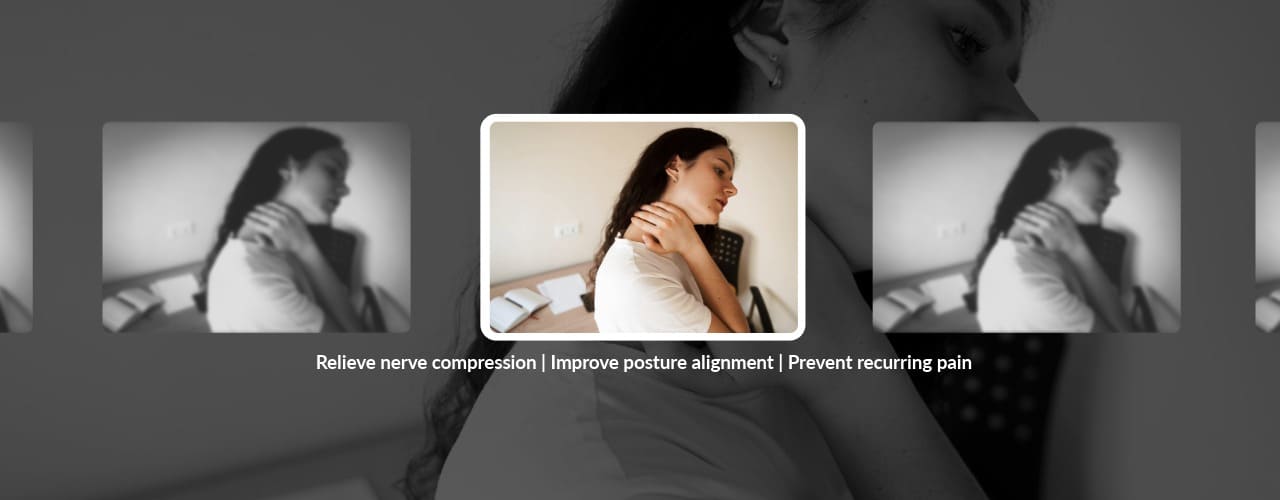
Symptoms vary depending on which nerve becomes irritated. Some adults feel sharp or burning discomfort along the shoulder blade. Others feel tingling or numbness that extends into the forearm or hand. Some notice weakness when gripping objects or lifting the arm. These symptoms often worsen when looking down, turning the head, or sitting for long periods. Recognizing these signs helps adults understand the patterns linked to a pinched nerve in neck tissues.
How a Pinched Nerve Develops Inside the Neck
The neck contains small openings where nerves exit the spine and travel into the arms. These nerves help control sensation and muscle strength. When a disc, joint, or surrounding tissue becomes irritated or swollen, the nerve may become compressed. This pressure disrupts the nerve’s ability to function normally. Physical therapists evaluate which structures contribute to this compression and how the nerve responds during movement.
How Posture Influences Nerve Pressure
Forward head posture places extra strain on the joints and discs in the neck. This posture narrows the space where nerves travel. Over time, this narrowing increases pressure on sensitive structures and raises the chances of nerve irritation. Physical therapy includes posture training that helps adults learn healthier alignment strategies. Improved alignment reduces tension on the neck and supports better nerve function.
How Disc Changes Contribute to Nerve Compression
The discs between the vertebrae act as soft cushions. When a disc undergoes wear or becomes irritated, it may bulge slightly. This small shift can place pressure on a nearby nerve. Physical therapists guide adults through controlled mobility and strengthening exercises that improve disc comfort and help the spine function more smoothly. Reducing stress on the discs helps relieve symptoms associated with a pinched nerve in neck movements.
How Muscle Tightness Makes Nerve Symptoms Worse
Tight muscles in the neck and upper back can reduce the space available for a nerve to glide. When tight tissues pull on the spine or limit movement, the nerve becomes more sensitive. This sensitivity increases discomfort during turning or bending. Physical therapy uses manual techniques and stretching to soften these tight areas. As the muscles relax, the nerve gains more room to move comfortably.
How Joint Stiffness Creates Irritation
Joints in the neck must glide smoothly during daily tasks. When these joints stiffen, the vertebrae may not move correctly. This restricted movement increases pressure inside the spine and can irritate nearby nerves. Joint stiffness also creates compensations in other areas, which makes symptoms feel more widespread. Physical therapists use gentle mobilization techniques to restore joint motion and reduce irritation.
How Nerves React to Limited Mobility
Nerves require smooth gliding motion during bending, reaching, and turning. When the tissues around the nerve become tight or stiff, the nerve loses its ability to glide comfortably. This restricted gliding creates tingling or numbness during movement. Physical therapy includes nerve mobility exercises that help restore healthy motion. These exercises support long-term improvement by reducing sensitivity throughout the nerve pathway.
How Weak Muscles Increase Strain on the Spine
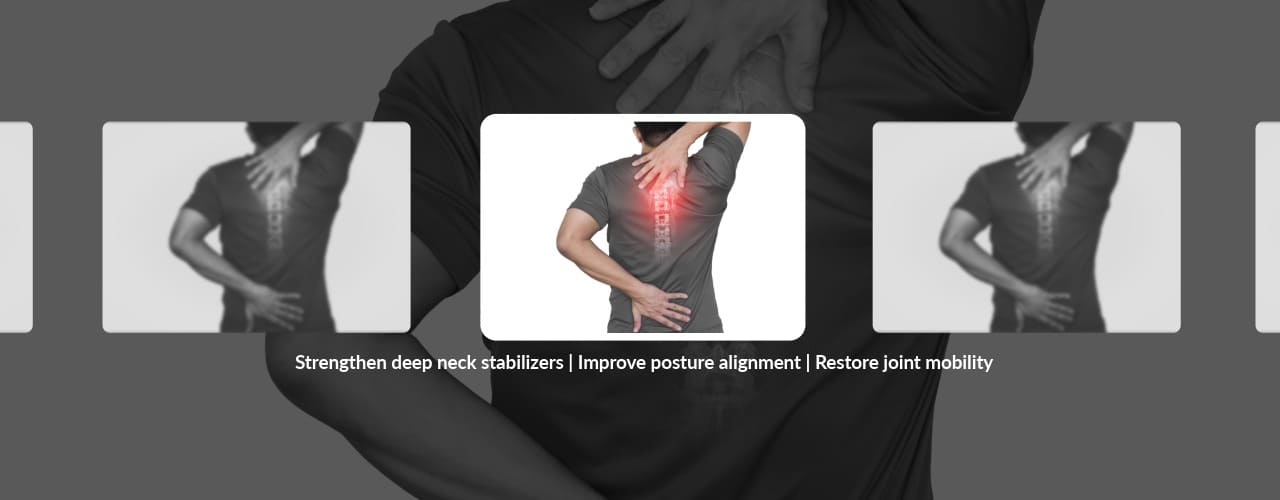
Weakness in the deep neck stabilizers and upper back muscles forces the joints and discs to absorb more stress. This increased load raises the risk of nerve compression. Strengthening these areas improves support for the spine and reduces irritation. Physical therapy builds this strength gradually so adults regain control and confidence during daily activities.
How Physical Therapy Helps Reduce Nerve Compression
Physical therapists identify the structures that compress the nerve and create a plan to improve motion, strength, and posture. Manual therapy helps ease tight muscles, joint mobilization restores movement, and targeted exercises support healthier alignment. This combination addresses the root causes of a pinched nerve in neck symptoms and helps prevent future flare-ups.
Find Relief and Support at Albanese Physical Therapy
At Albanese Physical Therapy, physical therapists help adults understand the causes of a pinched nerve in neck tissues and build personalized plans that restore comfort, improve mobility, and protect long-term function. If tingling, numbness, or neck discomfort affects your daily life, contact Albanese Physical Therapy today to begin a supportive and effective recovery plan.