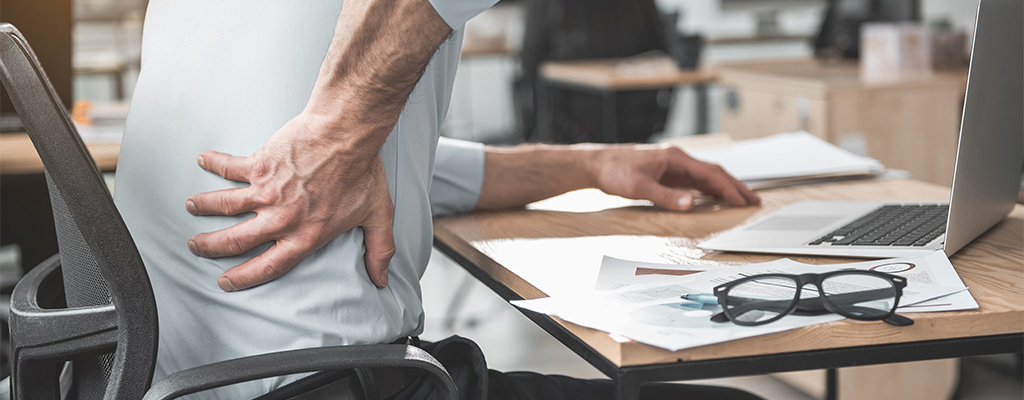
The Difference Between Back Pain and Sciatica
Have you been told your persistent lower back pain is really sciatica? Did you know specific signs and symptoms can clarify what condition you’re dealing with? Far too often, these terms are used interchangeably or, worse yet, inaccurately. Fortunately, at Albanese Physical Therapy, our skilled physical therapists can clear it up for you and set you on the right path to relief!
Back pain and sciatica can be confusing and even intimidating, especially when you’re not sure what’s causing your discomfort. Whether from a car accident, lifting something heavy, or seemingly out of nowhere, both back pain and sciatica seem to have similar causes and even share some symptoms.
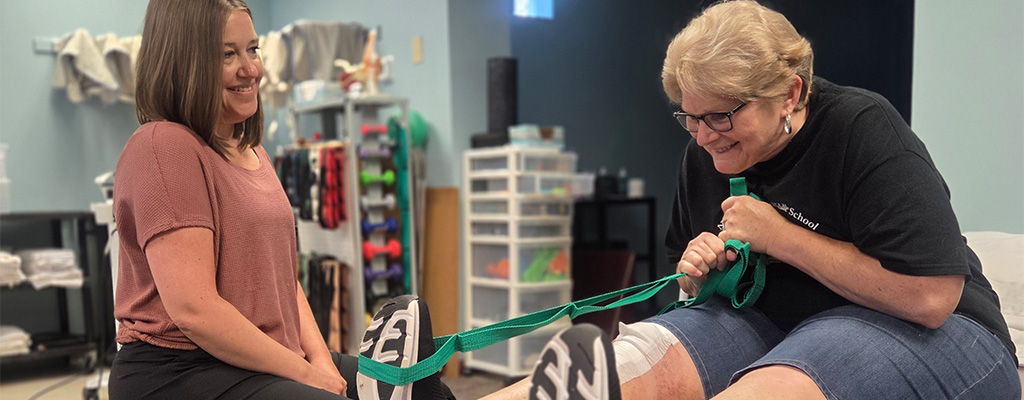
That’s where physical therapy comes in. Physical therapy is highly effective for both conditions. It helps reduce pain, improves mobility, and, most importantly, tackles the underlying issues to prevent future discomfort. With a tailored treatment plan, you can get back to doing what you love, pain-free.
Understanding the Difference Between Back Pain and Sciatica
Back pain and sciatica are sometimes used interchangeably, but they’re not the same. Lower back pain is generally localized, affecting the lumbar region of the spine. It can arise from muscle strains, herniated discs, or prolonged poor posture.
Sciatica, on the other hand, is more specific and involves pain that travels along the sciatic nerve. This nerve starts in the lower back and runs through the hips and buttocks down to each leg. The pain you feel could be shooting, burning, or even tingling, and it usually affects just one side of your body. To be a “true” sciatica,” nerve symptoms must be felt in the leg (specifically below the knee).
Common Causes of Back Pain and Sciatica
- Lower Back Pain: In most cases, lower back pain is caused by factors such as muscle strain, herniated discs, degenerative disc disease, arthritis, and other conditions.
- Sciatica: Most commonly caused by a herniated disc, bone spur where the nerve exits the spine, or narrowing of the spine (spinal stenosis) compressing part of the nerve.
Classic Symptoms of Back Pain and Sciatica
- Lower Back Pain: May include stiffness, muscle spasms, and difficulty in moving.
- Sciatica: Must consist of symptoms along the nerve root in the leg and typically include numbness, tingling, or muscle weakness in the affected leg or foot, in addition to pain.
It’s crucial to know the difference between the two because the treatment approaches differ. For example, sciatica might require attention to nerve compression issues, while lower back pain could be more muscle-related.
So, if you’re tired of enduring persistent pain, take action and call to schedule an appointment with our spine experts. Let us help you understand your condition and guide you toward effective relief.
Don’t Let Your 2024 Insurance Benefits Go To Waste!
Take charge of your health today and make the most of your insurance benefits!
If you’ve already met your deductible this year or have funds left in your HSA account, you can take advantage of our remarkable opportunity at Albanese Physical Therapy. Don’t let these valuable benefits go unused!
Our Approach to Assessment and Treatment at Albanese Physical Therapy
If you are experiencing back pain or sciatica, it’s time to take action. Working with our experienced therapists can help you understand what you are dealing with and, most importantly, how to resolve it once and for all!
Whether you come to our clinic with lower back pain or sciatica, we will perform a thorough physical examination and medical history to provide you with solutions that work based on the findings.
- Education: Understanding what you are experiencing and how to manage it can help you be proactive and find a solution. Understanding what is going on and, more importantly, what you can do about it is one of the most effective solutions. Our physical therapists will make sure you have the information you need to be successful.
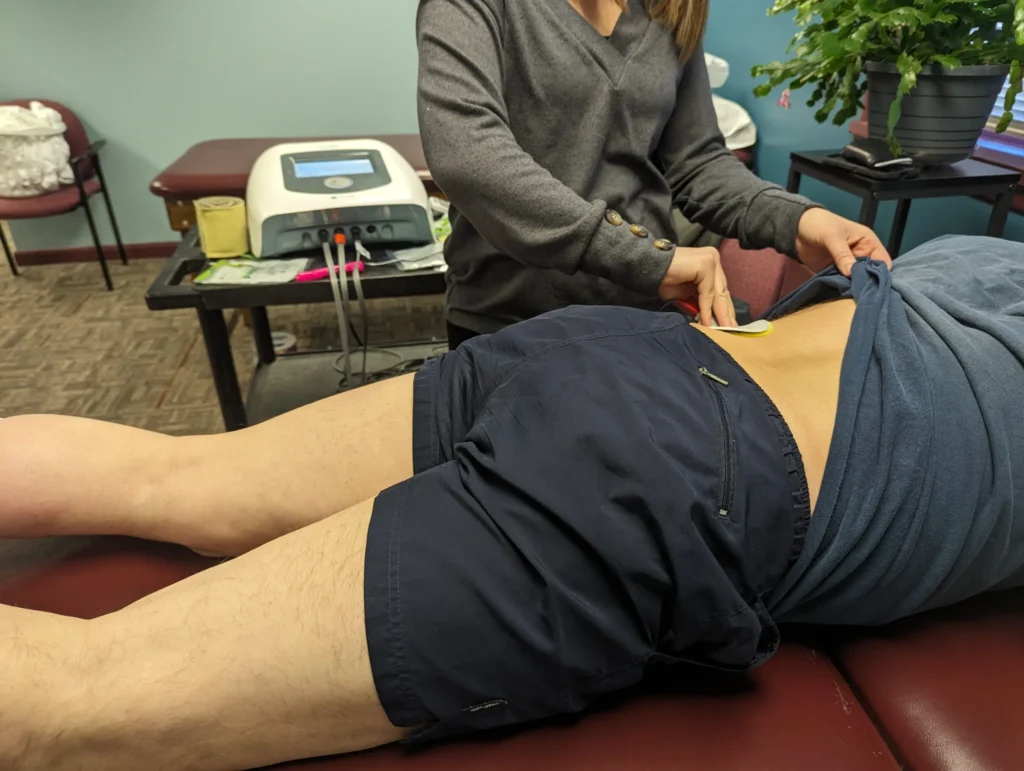
- Manual therapy: Manual therapies include a variety of methods, including joint mobilizations and manipulations that move one or more joints within normal ranges of motion to improve spinal joint motion or function. Our physical therapists may also use soft tissue techniques like myofascial release, trigger point releases, and other methods to help alleviate pain and allow for more mobility and improved function.
- Targeted Exercises: Our exercise programs include mobility exercises, proper postural exercises, nerve mobilization, or strength exercises. Our physical therapists will tailor your workouts, monitor you, and progress based on your individual needs.
Your well-being is our top priority. At Albanese Physical Therapy, we offer a proven approach to back pain and sciatica. Don’t let pain hold you back any longer. Call today and take the first step toward a pain-free life.
The Healing Power of Sleep
Sleep is vital for our well-being. It’s not just a nightly routine but a key to feeling our best. Sleep does more than just refresh us; it helps prevent injuries, speeds up healing after injuries, and keeps our mental health in check.
At Albanese Physical Therapy, we recommend the following strategies to enhance your sleep:
- Sleep Schedule: Research studies emphasize the importance of consistently going to bed and waking up at the same time daily. Also, get exposure to natural light first thing in the morning to help regulate your circadian rhythm.
- Bedtime Routine: Engage in calming activities before bedtime, such as reading or practicing relaxation techniques like deep breathing.
- Optimal Sleep Environment: Keep your bedroom cool (around 65-68°F), dark, and quiet. Invest in comfortable bedding and a supportive mattress.
- Limit Screen Time: Avoid electronic devices like smartphones and computers at least an hour before bedtime to minimize exposure to disruptive blue light.
- Limit Food and Fluid Before Bed: Reducing fluid intake and avoiding late meals in the evening can help prevent disrupting your sleep.
- Avoid Alcohol and Drugs Before Bed: Drinking alcohol or consuming caffeine and nicotine close to bedtime can disrupt quality sleep.
- Physical Activity: Regular exercise, particularly earlier in the day, can improve sleep quality.
- Manage Stress: Chronic stress can negatively affect sleep quality. Stress management techniques, such as progressive muscle relaxation and mindfulness meditation, help improve sleep quality and reduce insomnia symptoms.
Prioritizing Quality Sleep for a Healthier and Happier Life
Incorporating these strategies into your nightly routine can help you wake up feeling refreshed and ready to tackle the day ahead. Remember, getting a good night’s sleep is one of the best things we can do for ourselves!

Feel Better by Eating Better!
Roasted Root Vegetables
- 12 oz rutabaga, peeled & cut into ¾-inch pieces
- 8 oz celery root, peeled & cut into 1-inch pieces
- 8 oz peeled baby carrots
- 8 oz fingerling potatoes
- 3 medium parsnips, peeled & cut into 1-inch-thick slices
- 1 medium fennel bulb, cored & cut into thin wedges
- 2 shallots, peeled & cut into thin wedges
- 2 tbsp olive oil
- ½ tsp salt
- ½ tsp ground pepper
Preheat oven to 325°F. Combine rutabaga, celery root, baby carrots, fingerling potatoes, parsnips, fennel, and shallots in a shallow roasting pan. Add oil, salt, and pepper; toss to coat. Bake, uncovered, for 1 hour, stirring occasionally. Increase oven temperature to 425°F. Bake, uncovered, about 10 minutes more or until the vegetables are tender and lightly browned.