Managing Knee Arthritis With Physical Therapy: Your Path to Pain-Free Living
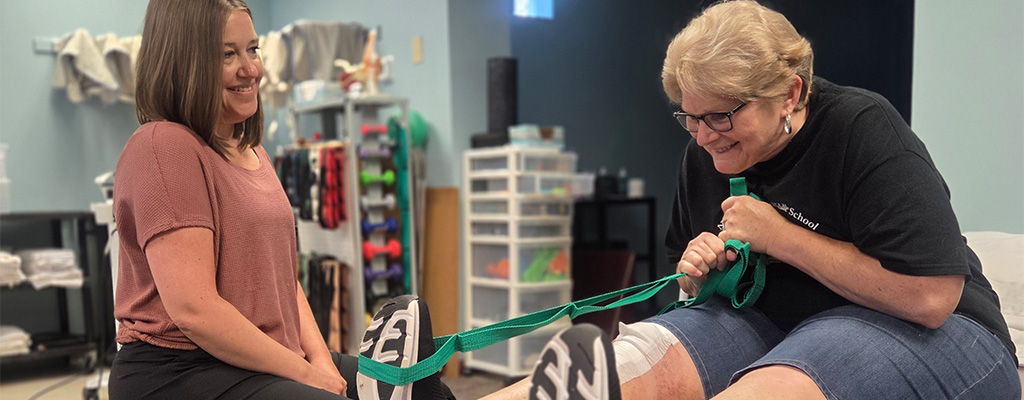
Living with knee arthritis can be a daily struggle, impacting your quality of life and mobility. But there’s hope. At Albanese Physical Therapy, we specialize in helping individuals like you manage knee arthritis effectively through physical therapy.
Our therapists are experts in the identification and treatment of knee arthritis, with a focus on the pivotal role that exercise and targeted therapy techniques play in alleviating pain and improving your overall well-being.
Understanding Knee Arthritis
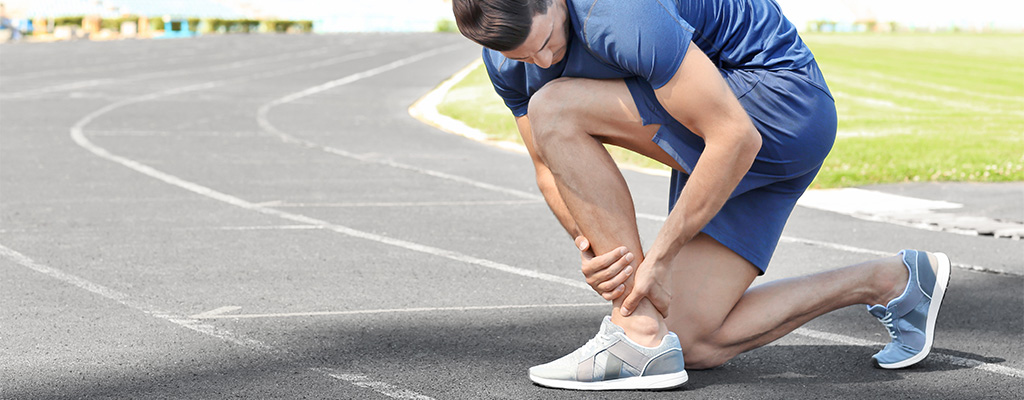
Knee arthritis is a widespread condition that occurs when the protective cartilage in the knee joint wears away over time. This results in pain, stiffness, and reduced mobility. Let’s explore how you can identify and manage knee arthritis through physical therapy.
Step 1: Recognizing the Signs and Symptoms
The first step in managing knee arthritis is recognizing the telltale signs and symptoms:
- Persistent knee pain that is often worse after periods of inactivity.
- Swelling and tenderness in the knee joint.
- Difficulty in bending or straightening the knee.
- A grating sensation during knee movement.
- Reduced range of motion in the knee joint.
Step 2: Consultation with Albanese Physical Therapy
When knee pain becomes a persistent issue, it’s time to consult one of our physical therapists, who is experienced in arthritis management. Our team of skilled therapists will conduct a thorough evaluation to assess the extent of your knee arthritis.
This assessment includes a comprehensive physical examination and may involve reviewing imaging tests like X-rays or MRI scans.
Step 3: Personalized Physical Therapy Plans
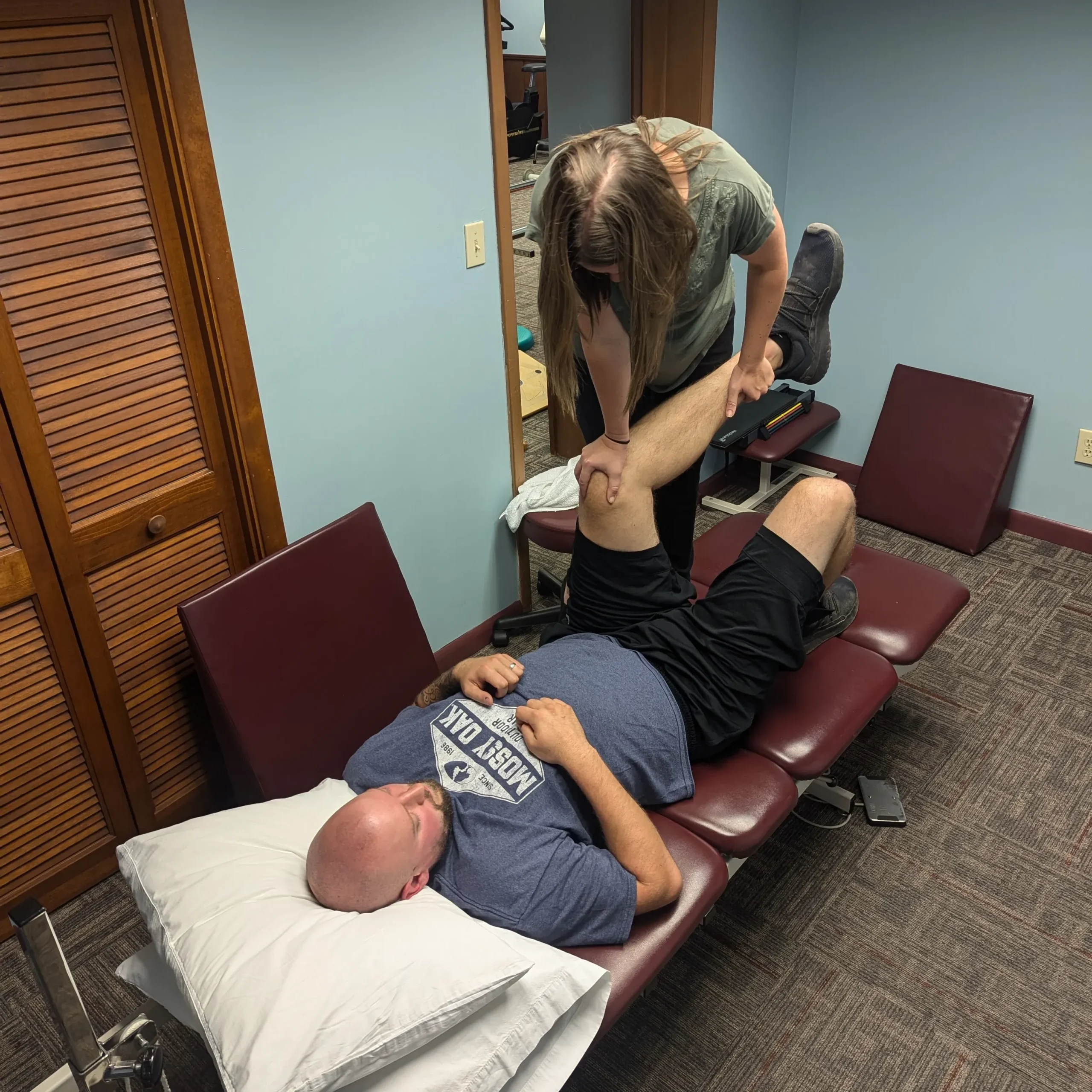
Following your evaluation, our physical therapists will create a tailored treatment plan that suits your unique needs. Physical therapy plays a pivotal role in managing knee arthritis, offering a range of benefits:
- Pain Management: Techniques like manual therapy and modalities to help alleviate pain and reduce inflammation.
- Mobility: Stretching routines enhance joint mobility, reduce stiffness, and improve overall function.
- Strengthening: Targeted exercises are designed to strengthen the muscles around your knee, providing better support and stability.
- Balance and Coordination: Balance exercises are incorporated to enhance stability and coordination, reducing the risk of falls.
- Education: Our physical therapists provide valuable education on arthritis management, teaching you how to protect your joints during daily activities.
- Lifestyle Modifications: We work with you to make lifestyle adjustments, including activity modification and weight management, to reduce the strain on your knee joint.
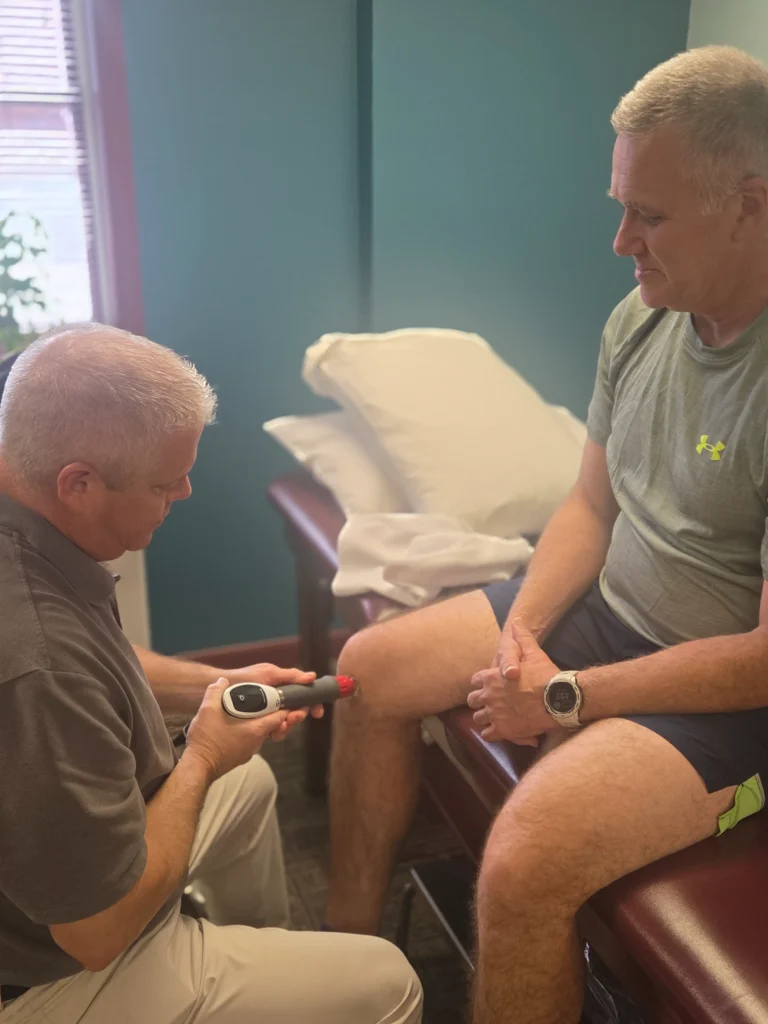
Step 4: A Holistic Approach to Knee Arthritis
At Albanese Physical Therapy, we adopt a holistic approach to managing knee arthritis. Beyond addressing physical symptoms, we recognize the emotional and psychological impact of chronic pain. Our comprehensive support and education empower you to regain control of your life.
Step 5: Your Path to Pain-Free Living
Your journey to a pain-free life begins here. Our physical therapists are committed to helping you manage knee arthritis through physical therapy. Our compassionate team will guide you through each step of the process, focusing on reducing pain and improving your mobility.
The Benefits of Physical Therapy for Knee Arthritis
Physical therapy offers numerous advantages for individuals dealing with knee arthritis:
- Non-Invasive: Unlike medications or injections, physical therapy is a non-invasive approach to pain management, emphasizing natural healing and improved function.
- Customized Care: Your physical therapy plan is tailored to your specific needs, addressing your unique challenges and goals.
- Prevention: Physical therapy focuses on injury prevention, reducing the risk of further damage to your knee joint.
Don’t Let Knee Pain Hold You Back
Knee arthritis doesn’t have to dictate your life. At Albanese Physical Therapy, our dedicated team is here to help you understand, manage, and overcome the challenges posed by knee arthritis through physical therapy. By recognizing the signs, seeking professional evaluation, and embracing a personalized physical therapy plan, you can find relief, regain mobility, and enjoy a more active lifestyle.
Exercise of the Month
Seated Leg Extension
(Quadriceps, Knees)
Sit up straight in a chair with your feet flat on the floor. Slowly extend one leg out in front of you until it’s straight, squeezing your thigh muscle. Hold briefly, then lower it back down with control. Alternate legs or complete all reps on one side before switching. 3 Sets, 10 Reps (each leg).
Reducing Knee Swelling: Proven Physical Therapy Techniques
In our commitment to helping individuals effectively manage knee arthritis, alleviating swelling is a crucial aspect of the process. At Albanese Physical Therapy, our skilled physical therapists use proven techniques and strategies to reduce swelling in the knee, ultimately enhancing your comfort and mobility.
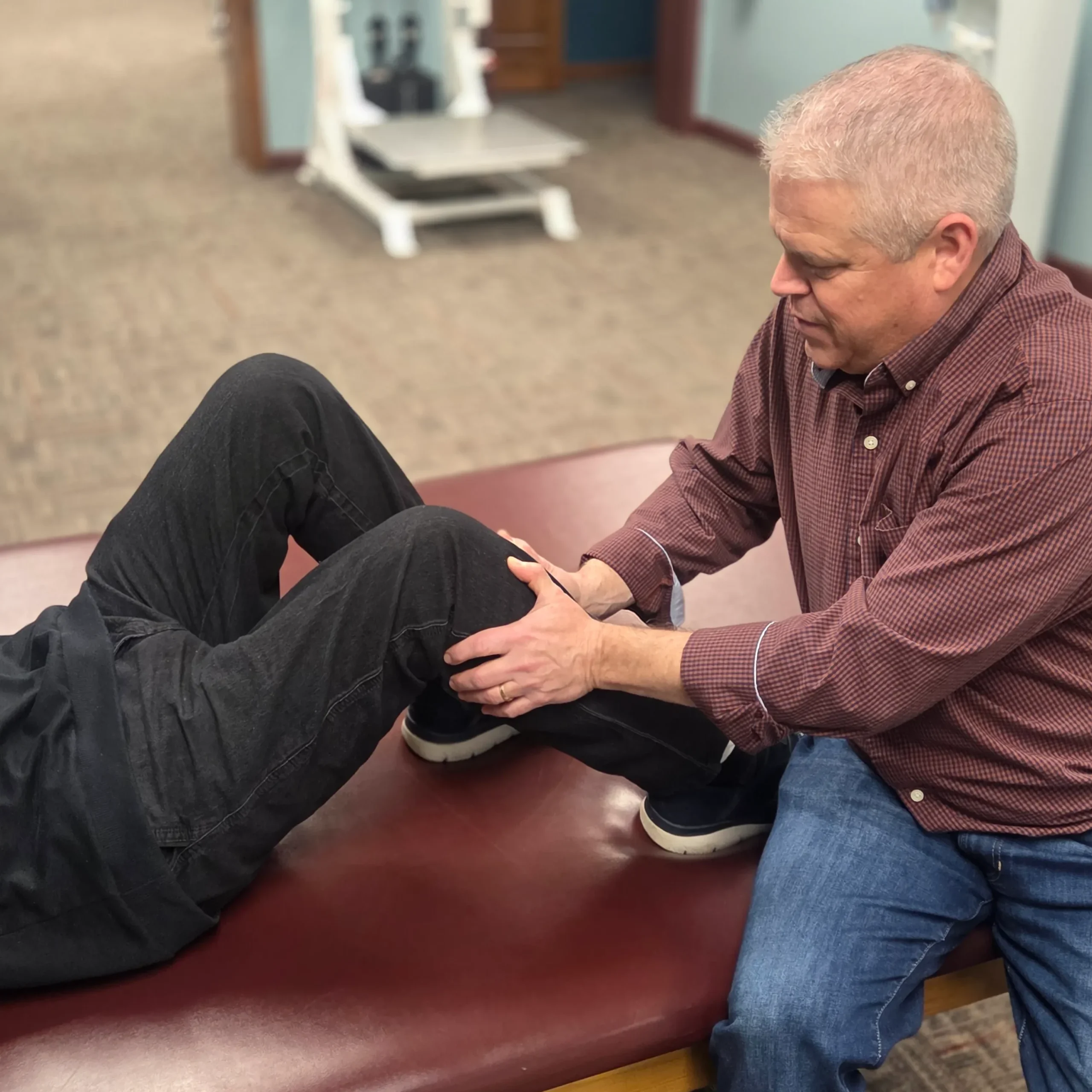
Let’s delve into these techniques in detail:
- Manual Lymphatic Drainage (MLD): MLD, a gentle massage technique, stimulates the lymphatic system to remove excess fluids and reduce knee swelling.
- Compression: By using compression garments, bandages, or specialized units to apply mechanical compression, our physical therapists can effectively prevent fluid buildup, promote circulation, and reduce swelling.
- Elevation: Proper elevation of the affected knee is a fundamental technique for reducing swelling. Physical therapists instruct patients to elevate the knee to at least 60 degrees (i.e., having your foot on the back of the couch or a physioball) to facilitate the drainage of excess fluid and the reduction of swelling.
- Active Motion: Physical therapists guide patients through controlled movements that promote fluid circulation within the knee, enhance joint mobility, and reduce swelling.
Reducing knee swelling is a critical component of effectively managing knee arthritis. Our dedicated physical therapists utilize a comprehensive range of proven techniques to help you alleviate swelling and improve your overall comfort and mobility. We are committed to assisting you in your journey toward a pain-free and active life.

Recipe of the Month: Anti-Inflammatory Turmeric Smoothie
Ingredients:
- 1 frozen banana
- 1 cup frozen mango chunks
- 1/2 cup Greek yogurt
- 1/2 cup almond milk
- 1 tsp turmeric powder
- 1/2 tsp ground ginger
- Pinch of black pepper (helps turmeric absorption)
- 1 tbsp honey (optional)
Instructions:
Blend all ingredients until smooth and creamy. Pour into a glass and add your favorite toppings. The turmeric and ginger in this recipe help reduce inflammation naturally, which may help manage knee pain alongside your physical therapy treatment.
Stop Letting Pain Get in the Way
Knee arthritis doesn’t have to hold you back from the life you love. At Albanese Physical Therapy, our team regularly uses evidence-based treatments as part of a personalized plan focused on restoring function and improving your daily life. Schedule an appointment with us today to discover how we can help you overcome your knee arthritis challenges.
Additional Knee Exercises
Our physical therapists use a variety of evidence-based exercises to help patients recover from knee arthritis. Here are a few more exercises that may be part of your treatment plan:
Straight Leg Raise
Lie on your back on a mat with both knees comfortably bent. Straighten the knee you wish to exercise. While keeping your knee straight, lift your leg up to the height of your opposite knee (45 degrees from the ground). Hold for 2 seconds. Slowly lower your leg back down. 2 Sets, 10 Reps.
Bridging
Begin on your back. Bend your knees and keep your back flat on the ground. Gently contract your abdominals and hold to keep your back flat as you move up into the bridge position. Remember to breathe. Gently squeeze your butt muscles and lift your hips off the ground. The goal is to have your hips aligned with your knees and shoulders. Hold for 5 seconds. 3 Sets, 10 Reps.
Question for Rich
Now that the weather’s warming up, how can I prevent injury when resuming outdoor activities?
The key to injury prevention is taking things slow! Here’s what I recommend:
- Start with 5–10 minute brisk walks to get your body used to movement.
- Increase time or distance gradually (about 10% per week).
- Before any activity, warm up with dynamic movements, such as leg swings, gentle lunges, and arm circles.
- Use supportive shoes that are suited to your activity and the surface you’ll be on.

Patient Spotlight
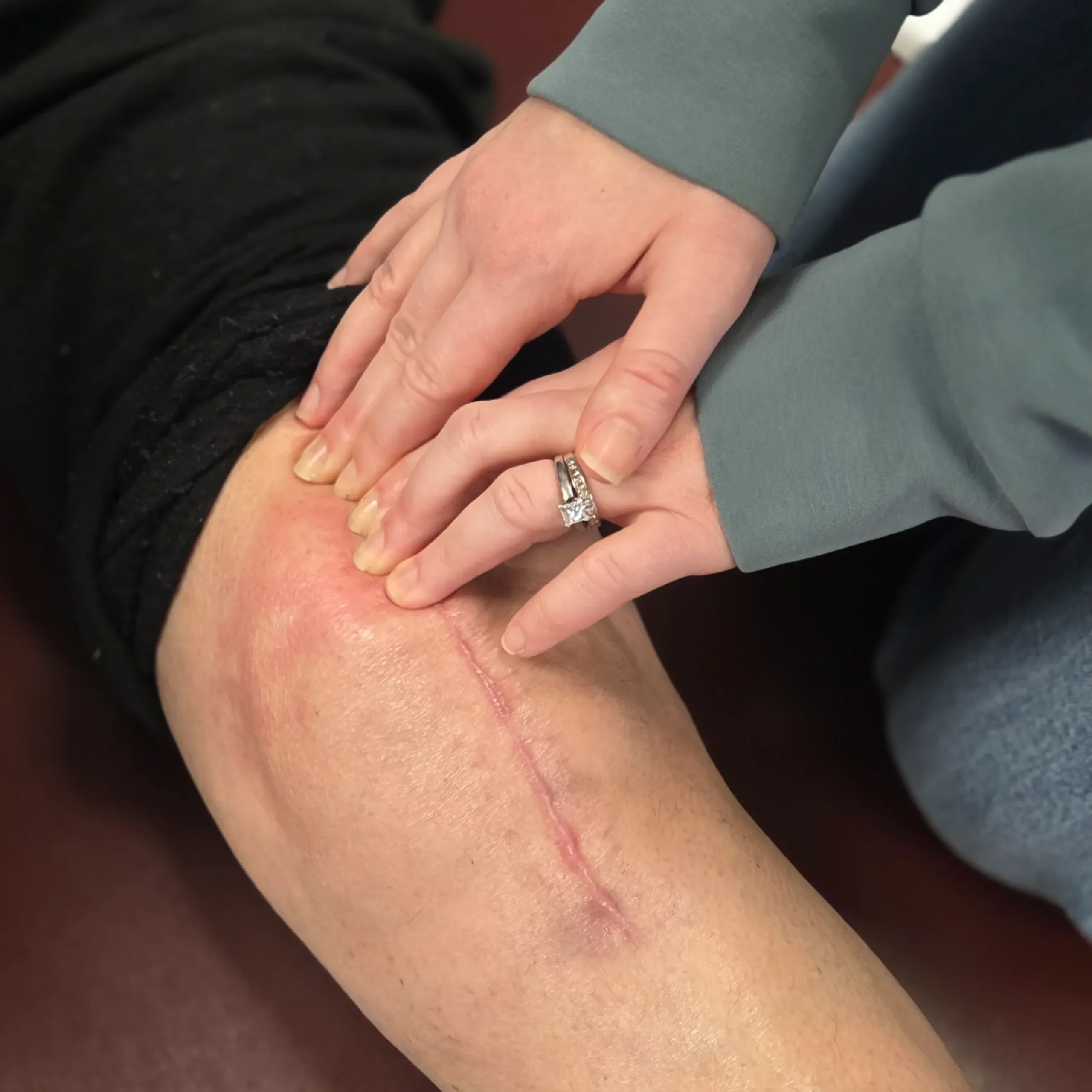
“The staff were most helpful in getting me walking like normal after my knee replacement. I plan to return when I have my other knee done.” — Google 5-Star Review
Quick Knee Health Self-Check
Answer a few questions to get a sense of your knee health. This is not a medical diagnosis — always consult a physical therapist for personalized guidance.
1. Do you experience knee pain that worsens after sitting for a long time?
2. Do you notice swelling or puffiness around your knee joint?
3. Is it difficult to fully bend or straighten your knee?
4. Do you hear or feel a grating or clicking sensation in your knee?
5. Has knee discomfort limited your ability to walk, climb stairs, or exercise?
Free Screening Available
Not sure if physical therapy is right for your knee pain? We offer complimentary screenings to help you understand your condition and determine the best path forward.
Call us today at (724) 419-8927