Plantar Fasciitis: The Most Common Cause of Heel Pain Revealed!
You wake up and crawl out of bed–only to feel a sharp, stabbing pain shoot up from your heel. No, you didn’t step on a tack. It’s likely plantar fasciitis, one of the most common causes of heel pain worldwide.
Plantar fasciitis is a painful condition that affects your plantar fascia, a band of tissue running along the bottom of your foot from your heel to your toes. When the plantar fascia becomes irritated or inflamed, usually due to overuse, it leads to foot discomfort (which then makes it harder for you to get around).
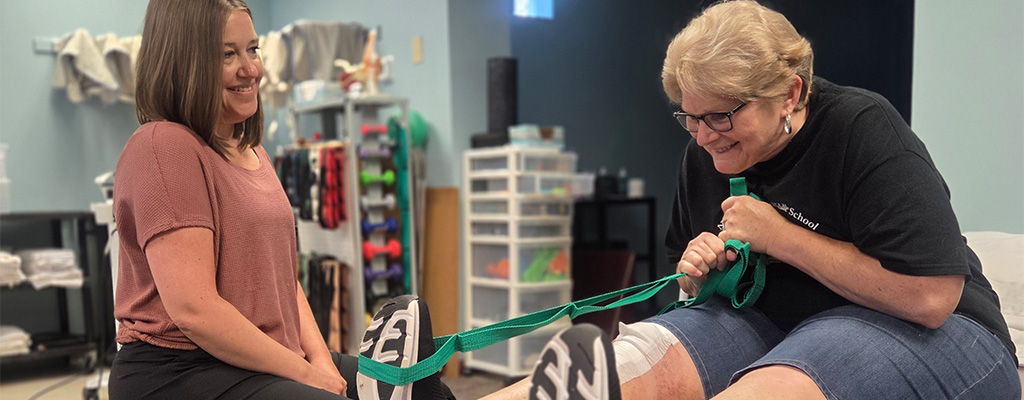
While plantar fasciitis is painful, it’s also easily treated with physical therapy. The team at Albanese Physical Therapy will work closely with you to rehabilitate your injury, providing immediate pain relief and helping you uncover what caused your plantar fasciitis in the first place.
Today, we want to give you an overview of plantar fasciitis so you know what you’re dealing with. Already struggling with foot or heel pain? Call us to schedule an appointment so we can start helping you find relief!
How Do I Know It’s Plantar Fasciitis?
Many injuries can cause foot pain, from ankle sprains to tiny stress fractures. That’s why it’s important to pay attention to the location and sensation of your foot pain, as well as any mobility issues. To help you understand the signs and symptoms of plantar fasciitis, let’s look at an example case.
Sarah had recently taken up running after several years away. She loved going out every morning and jogging around her neighborhood. But after a few weeks, she started to experience discomfort on the bottom of her foot whenever she went for a run.
The pain usually started as a sharp, stabbing pain on the bottom of her heel, but she also noticed that the arch of her foot felt tender and restricted.
After experiencing the pain for the first time, she started to notice it more frequently, and not just after her runs, either:
- First thing in the morning, when she got out of bed
- While standing in a long line at the grocery store
- While spending a day walking around an amusement park
- After watching a long movie in the theater
When Sarah eventually visited a physical therapist to seek treatment for her foot pain, she made sure to carefully lay out all the times she experienced pain (and all the times she didn’t; Sarah noticed the pain tended to fade around mid-morning, then flare up in the evening). That, along with her detailed explanation of the pain’s location, helped her PT correctly identify her pain as plantar fasciitis.
“Great team that works together to help each other and the patients. Friendly atmosphere. Great place for therapy!”
Google 5-Star Review
Exercise of the Month
Towel Curls
3 Sets, 10 Reps. (Materials needed: chair, small towel)
Sit in a chair with your feet flat on the floor and a small towel placed under your toes. Using only your toes, scrunch the towel toward you, curling and gripping it with your feet. Relax and repeat. This strengthens the foot muscles and supports arch control.
Physical Therapy: Frontline Treatment for Plantar Fasciitis
The Albanese Physical Therapy team’s knowledge of your body’s musculoskeletal systems means we can help you treat plantar fasciitis without invasive treatment methods (like surgery). While rehabilitation might take some time (usually a few weeks to a few months), you can resolve your pain through targeted foot exercises.
Here’s what you can expect when you visit us:
- A thorough evaluation: Besides reviewing your symptoms, we’ll conduct a comprehensive gait assessment and other movement screens to help us identify any biomechanical factors that might contribute to your plantar fasciitis.
- Pain management: We’ll help manage your acute pain through hands-on manual therapy techniques, foot taping, and other drug-free approaches.
- Therapeutic exercise: Stretching and strengthening exercises will help resolve your current bout of plantar fasciitis. We’ll provide you with a tailored exercise program, including simple exercises you can do at home to help maximize your recovery.
- Prevention tips: Plantar fasciitis is usually an overuse injury, meaning it develops gradually over time. A frequent cause of plantar fasciitis is starting an intense new workout program (as Sarah did). Faulty gait mechanics and other lifestyle factors can contribute to it as well. We’ll provide you with customized advice and strategies for avoiding future incidents of plantar fasciitis.
Sources:

Questions for Stephanie
Can physical therapy help with headaches or jaw pain?
Yes! Many headaches and jaw problems stem from issues like tight muscles, joint dysfunction, or poor posture. In those cases, we’ll evaluate your neck, upper back, or jaw alignment to pinpoint the underlying concerns, then develop a personalized treatment program to address them directly. Techniques might include manual therapy, targeted exercises, and postural training.
Got Foot Pain? Call Us Today!
If you’re experiencing foot discomfort or immobility, your best bet is to call the team at Albanese Physical Therapy and schedule an initial consultation. Be prepared to discuss your symptoms in detail–and to receive a customized treatment program that will have you feeling footloose and fancy-free in no time!
How Shockwave Therapy Can Help with Plantar Fasciitis
Have you been dealing with a soft tissue injury and are looking for relief? Do you have persistent pain in a tendon that seems to get worse whether you rest it or try to use it? At Albanese Physical Therapy in New Brighton, PA, our physical therapists utilize cutting-edge solutions, like shockwave therapy, that are proven to provide real results!
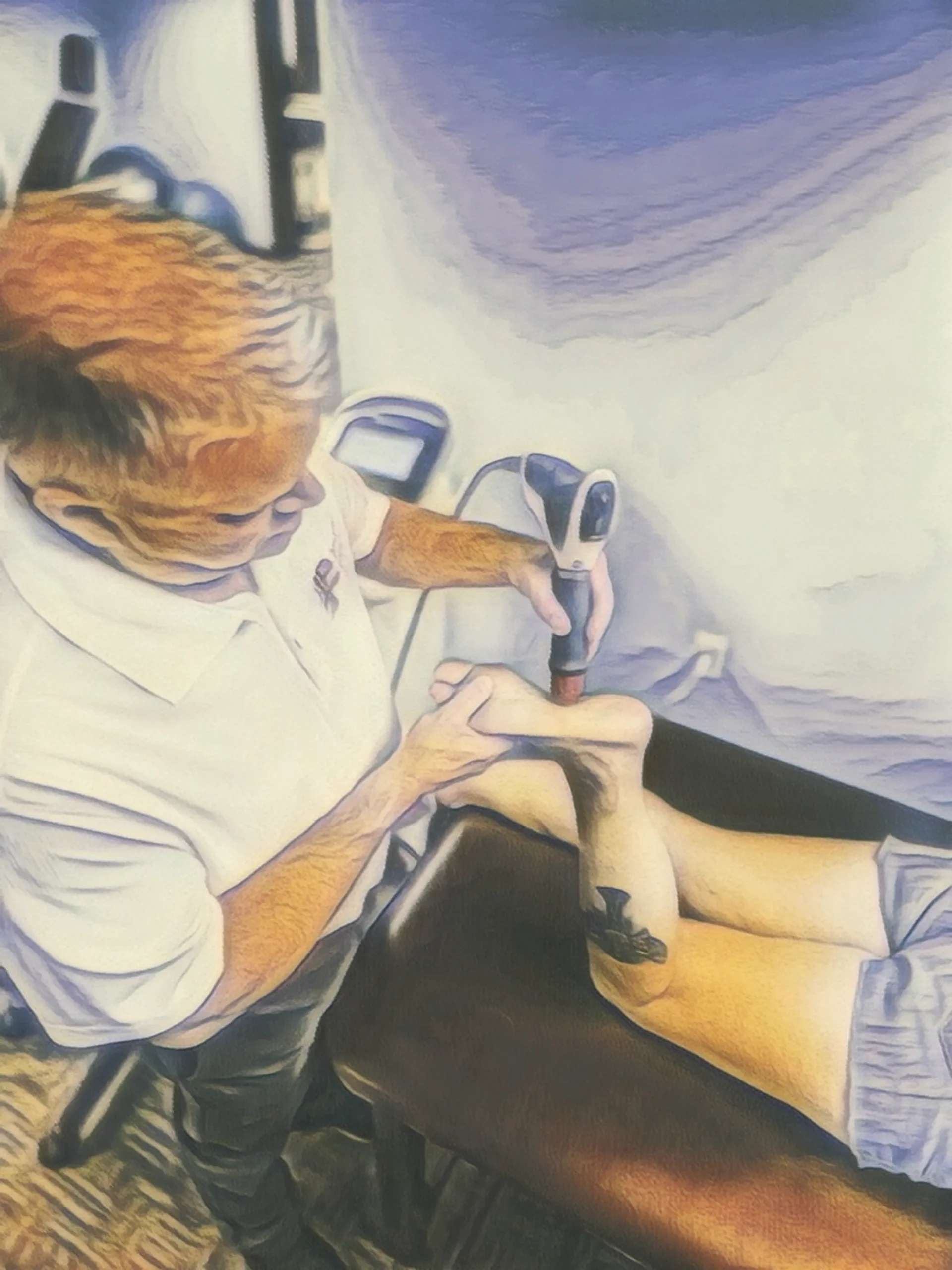
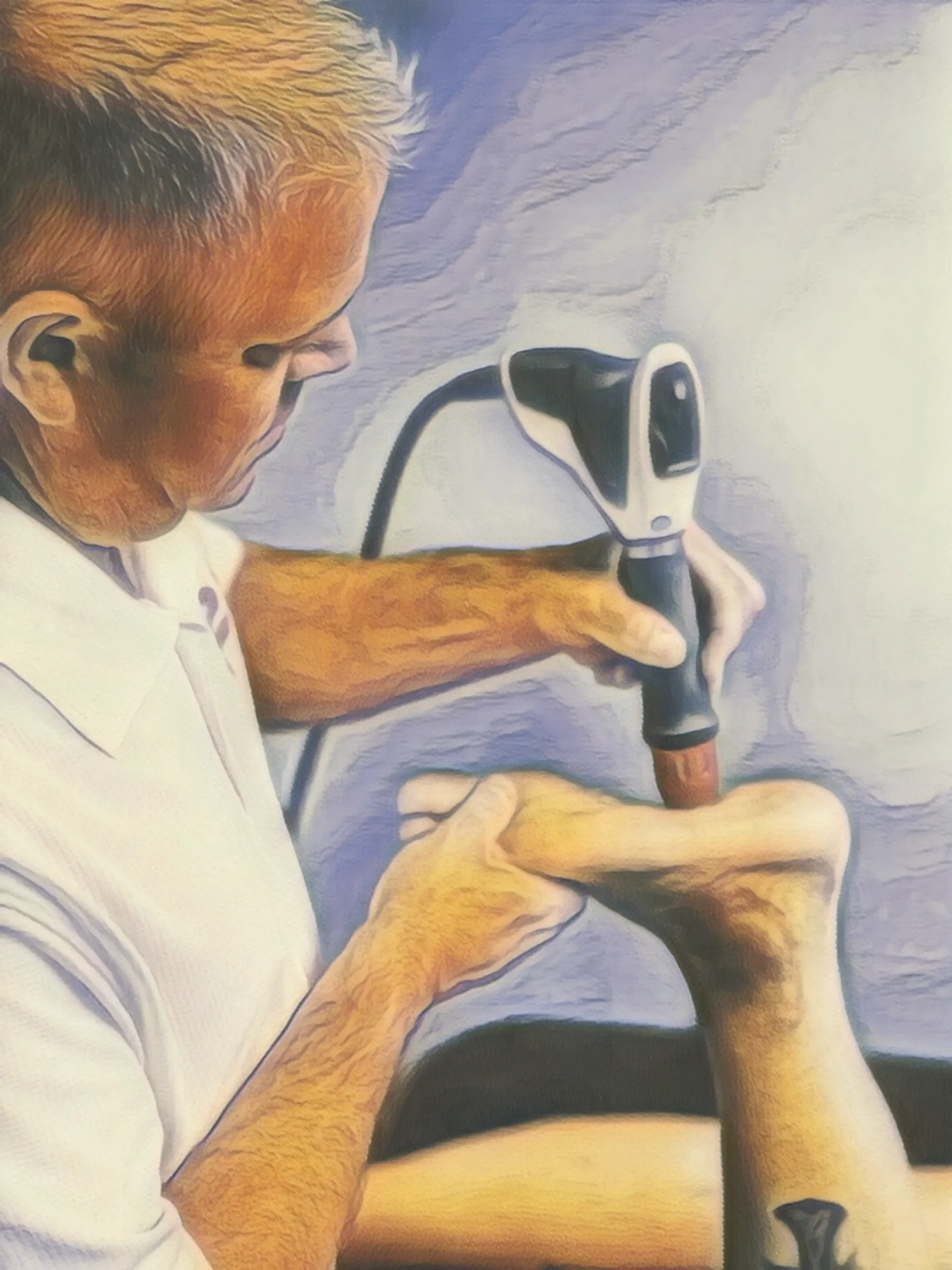
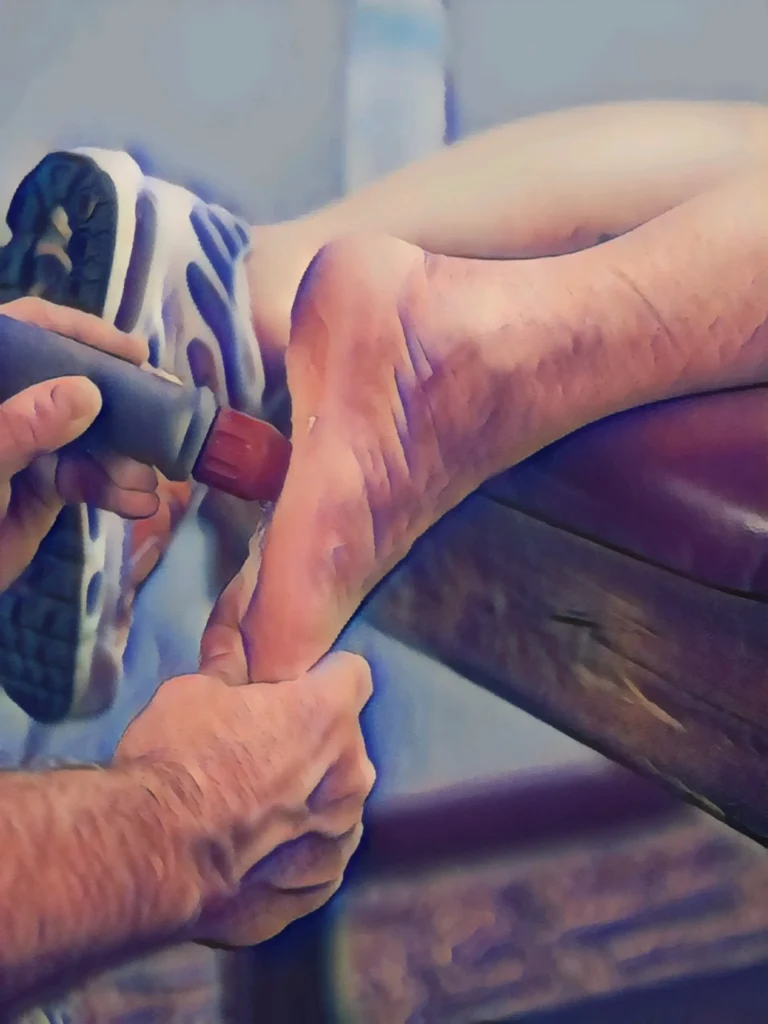
Shockwave therapy is a physical therapy modality that sends acoustic shock waves into soft tissue to positively affect the healing process at a cellular level and simultaneously break up adhesions that can restrict mobility in tendons or other soft tissues in the body.
These shockwaves will cause movement of the particles in our tissues, resulting in increased blood flow to that area. This, in turn, helps alleviate pain (acute and chronic), improve tissue mobility, and improve the overall healing response.
What Conditions Benefit from Shockwave Therapy?
Shockwave therapy primarily provides pain relief while facilitating blood flow and promoting tissue healing. Research studies have shown this treatment to help various soft tissue disorders (i.e., sprains, strains, and tendinopathy), both acute and chronic conditions.
Our therapists at Albanese Physical Therapy will conduct a thorough history and physical examination to identify the source of your pain and functional limitations so we can implement the most effective treatment strategies, including shockwave, for your specific injury, ailment, or area of pain.
Some of the more common soft tissue conditions that shockwave therapy can help treat are as follows:
- Neck and shoulder myofascial pain syndromes
- Chronic tendinopathies in the shoulder, elbow, and wrist
- Carpal Tunnel Syndrome
- Chronic lower back pain
- Patellar tendonitis
- Achilles tendinopathies (acute and chronic conditions)
- Plantar fasciitis
Shockwave therapy can even be applied to joint disorders like osteoarthritis or frozen shoulder (adhesive capsulitis). This non-invasive treatment is safe and may be the very thing that helps get you over the obstacle standing in your way of finding lasting relief.
Shockwave therapy can aid in pain relief and increase blood flow to speed the healing rate and enhance the quality of the repair. At Albanese Physical Therapy, we are skilled at identifying the most appropriate treatment to successfully treat various conditions so you can get back to doing what matters most to you!

Feel Better by Eating Better!
Vegan Peanut Butter Cookies
- 1 cup creamy natural peanut butter
- 1/2 cup maple syrup, or honey
- 1 teaspoon vanilla
- 1 cup almond flour
- flaked sea salt for topping, if desired
Preheat oven to 350 degrees F and line a baking sheet with parchment paper. Add peanut butter, maple syrup, and vanilla into a mixing bowl. Once combined, add in almond flour and stir until incorporated. Use a medium cookie scoop to scoop dough onto a prepared baking sheet. Alternatively, you can scoop the dough with a spoon and roll it into a ball. Flatten each dough ball with a fork, making a crisscross pattern, and sprinkle a little flaked sea salt on top of each cookie. Bake in a preheated oven for about 12 minutes or until cookies begin to brown. Remove from oven, allow cookies to cool on a wire rack, and enjoy.