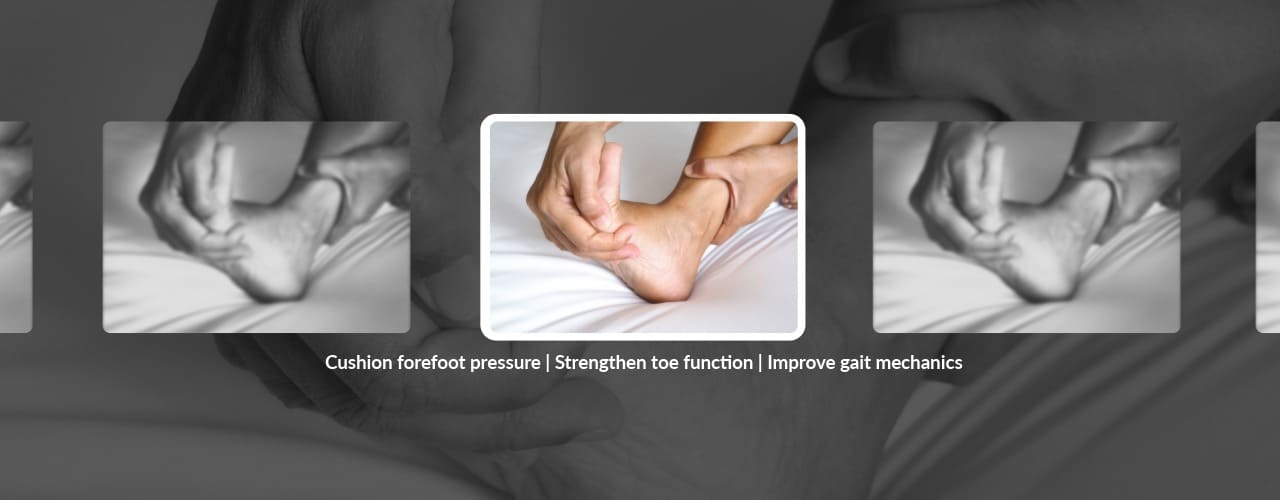
Do you ever experience a sharp, burning, or aching sensation beneath the ball of your foot? Whether it appears during walking, exercising, or even simple standing, many people search for effective metatarsalgia pain relief without fully understanding what’s causing their discomfort. Fortunately, the team at Albanese Physical Therapy is here to help you learn how the forefoot works and why pain develops. That way, you can make informed choices that support long-term comfort, mobility, and foot health.
Understanding the Mechanics Behind Forefoot Pressure
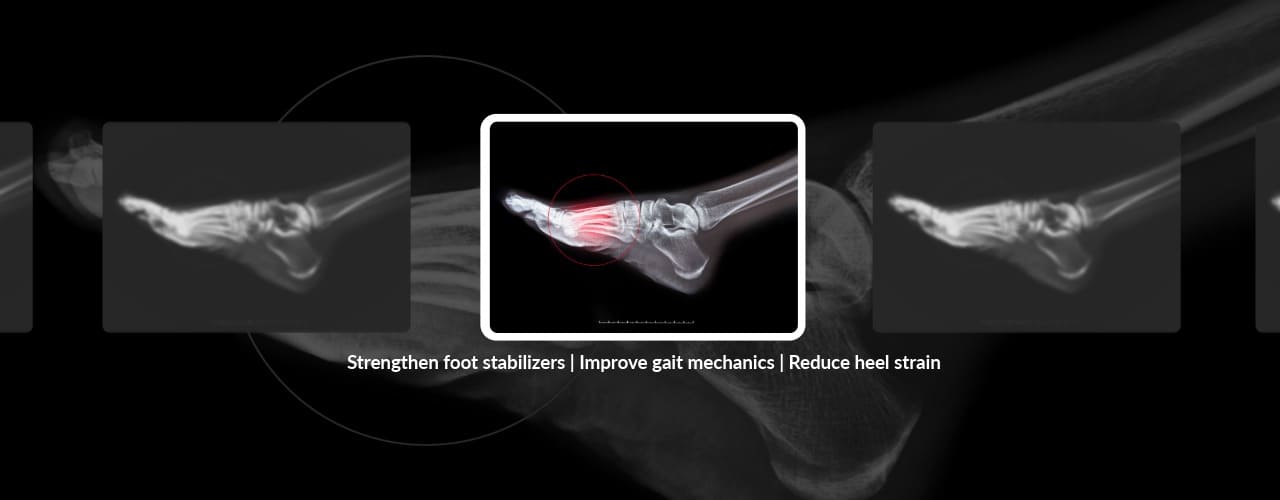
Metatarsalgia describes irritation or overload in the region where the long bones of the foot meet the toes. This area absorbs the body’s weight with every step and must work efficiently to support balance, movement, and impact.
Several factors can contribute to metatarsalgia, including:
- High-impact activities that increase force through the forefoot
- Tight calf muscles that shift weight forward during walking
- Foot shapes that naturally place pressure on the ball of the foot
- Joint stiffness in the ankle or toes
- Improper footwear that lacks cushioning or support
When these pressures build over time, tissues in the forefoot become sensitive. Small joints become inflamed, and soft tissues struggle to absorb repeated impact. These changes create a cycle in which each step increases irritation.
Why Forefoot Discomfort Becomes Persistent
Metatarsalgia often begins gradually but becomes more noticeable when walking on hard surfaces, wearing specific shoes, or engaging in activities that require pushing off the toes. Because the forefoot is central to nearly every form of movement, it’s difficult to offload the area without targeted interventions.
Persistence can develop due to:
- Repetitive loading during sports or long periods of standing
- Weakness in the intrinsic foot muscles
- Limited ankle mobility that forces compensation
- Excessive pronation or supination that alters gait mechanics
As these issues accumulate, pressure concentrates on specific metatarsal heads, leading to more intense discomfort. Without proper guidance, many people find that rest alone does not resolve the underlying mechanical imbalances.
Targeted Strategies For Effective Metatarsalgia Pain Relief with Physical Therapy
While rest and footwear changes may provide temporary relief, long-lasting improvement often requires addressing the underlying cause of the problem. This is where metatarsalgia pain relief with Albanese Physical Therapy becomes relevant.
Supportive approaches that reduce forefoot strain include:
- Cushioning insoles that redistribute pressure
- Strengthening exercises that support toe function
- Stretching routines for calves and plantar tissues
- Activity modifications that reduce repetitive loading
- Improved gait mechanics to allow smoother weight transfer
By focusing on how the foot functions as a whole, these strategies relieve stress on sensitive structures and create a healthier foundation for movement.
A Deeper Look At Physical Therapy’s Role In Recovery
Physical therapy provides an in-depth approach to both the cause and the symptoms of forefoot pain. Instead of treating discomfort as an isolated problem, therapists evaluate mobility, balance, muscle strength, and walking patterns to create a customized plan.
A comprehensive physical therapy program may include:
- Manual therapy to reduce stiffness in the toes and midfoot
- Targeted strengthening for the arch and intrinsic foot muscles
- Functional training to support efficient push-off during walking
- Balance exercises to improve stability and reduce compensations
- Joint mobilization to restore normal motion in the toes and ankle
These interventions promote healing while improving the dynamic control of the forefoot. Over time, this helps reduce irritation, prevent future flare-ups, and support more comfortable movement.
The Long-Term Benefits of Early Intervention
When forefoot discomfort is addressed early, it’s often easier to correct contributing factors before they cause more significant irritation. Many people experience improved comfort, enhanced mobility, and greater confidence during daily activities after beginning structured care.
Early intervention also helps reduce the risk of compensatory problems in the ankle, knee, or hip that sometimes arise when the body adapts to forefoot pain.
Walking Toward Comfort With Personalized Support
Metatarsalgia can be frustrating, but it is also highly manageable with the right approach. Understanding why it develops and how targeted treatment works can empower you to take the next step toward lasting relief. If you are ready to explore customized solutions designed specifically for your foot health, consider connecting with a movement expert. Metatarsalgia pain relief through Albanese Physical Therapy can help guide you toward more comfortable and confident movement.