Staying Active Is the Key to Finding Mental and Physical Balance
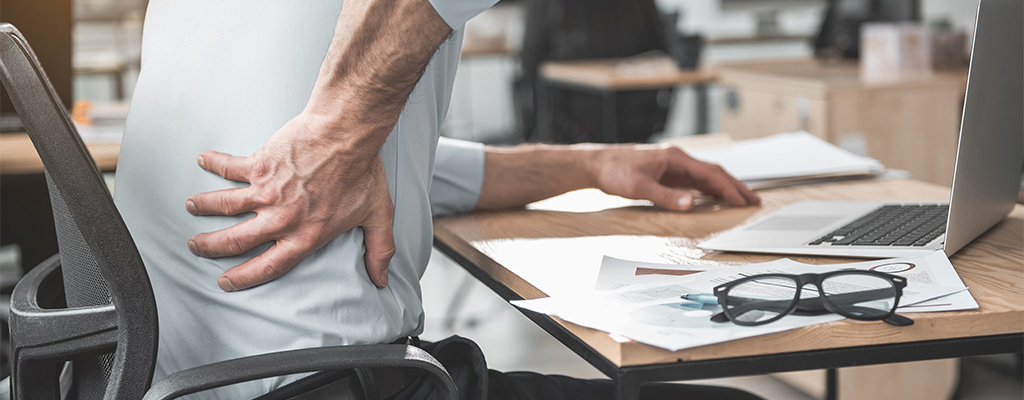
Maintaining a balance between our mental and physical health has become increasingly challenging in today’s fast-paced world. The sedentary lifestyle that dominates much of modern society contributes to a host of physical ailments, ranging from back and neck pain to chronic conditions that affect our health and mental well-being.
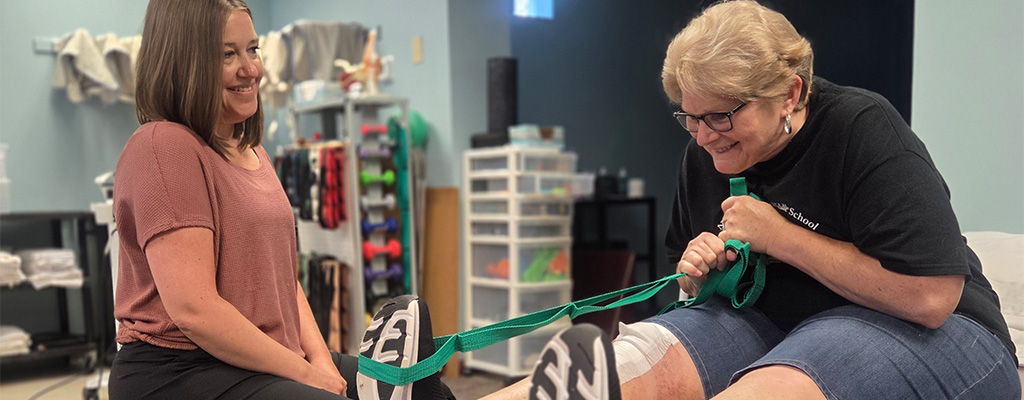
The relationship between the mind and body underscores the importance of staying active as an effective strategy for finding mental and physical balance. Physical therapy, often associated solely with injury recovery, plays a crucial role in helping people get and stay active.
“Excellent care is provided at Albanese Physical Therapy (APT)! Rich takes the time to understand his patients’ needs and is dedicated to helping them live a pain-free life. I highly recommend APT!”
– Google 5-Star Review
The Link Between Physical Activity and Mental Health
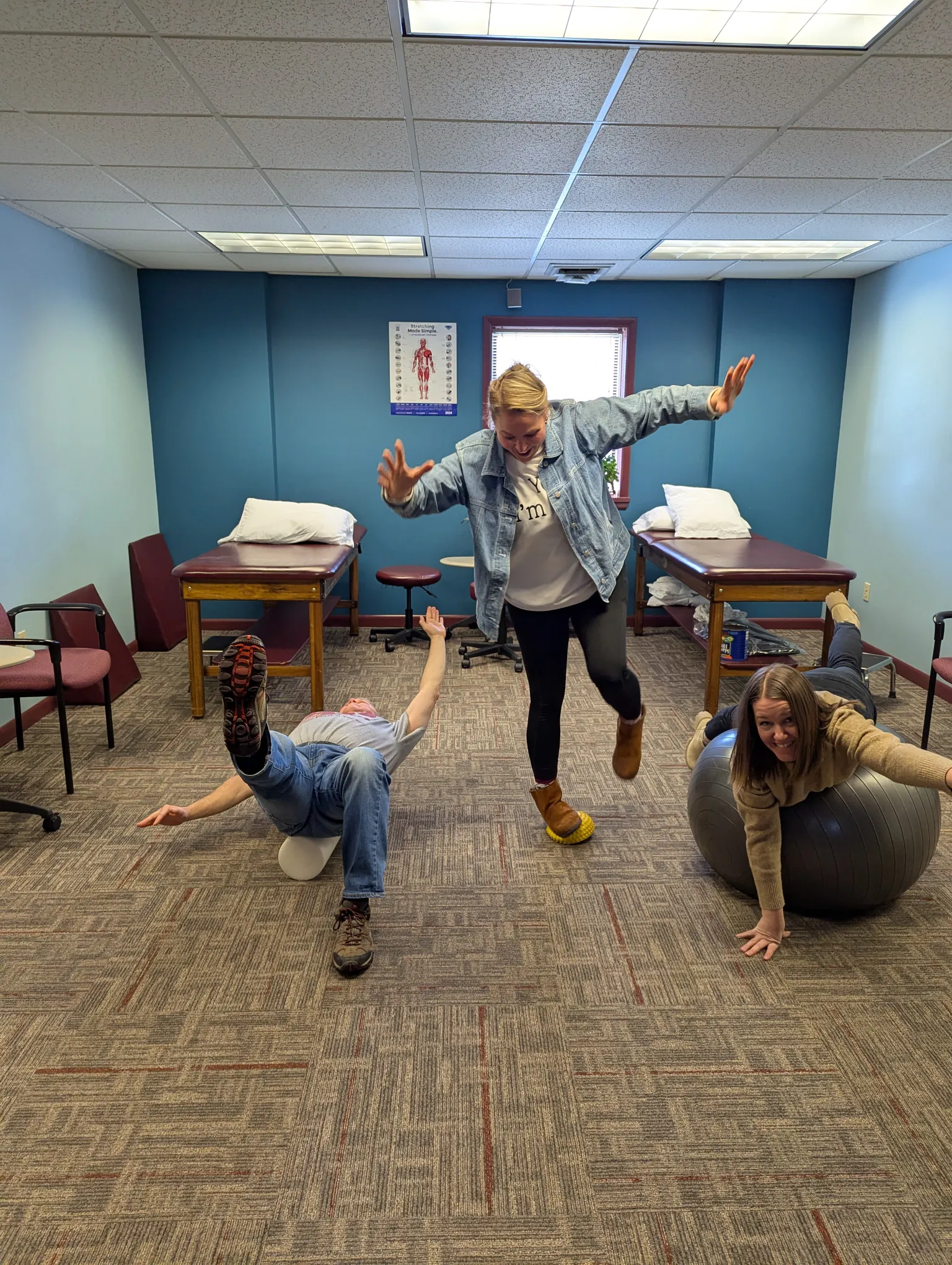
Regular physical activity can have a profound impact on mental health. Exercise releases endorphins, known as the body’s natural mood elevators, which can help symptoms of depression and anxiety. Moreover, the discipline and routine associated with regular exercise can provide a sense of purpose and achievement, further enhancing mental well-being.
However, initiating and sustaining an active lifestyle can feel overwhelming, especially for those dealing with chronic pain or mobility issues. This is where physical therapy comes into play, bridging the gap between the desire for activity and the capability to pursue it.

Physical Therapy: More Than Just Rehabilitation
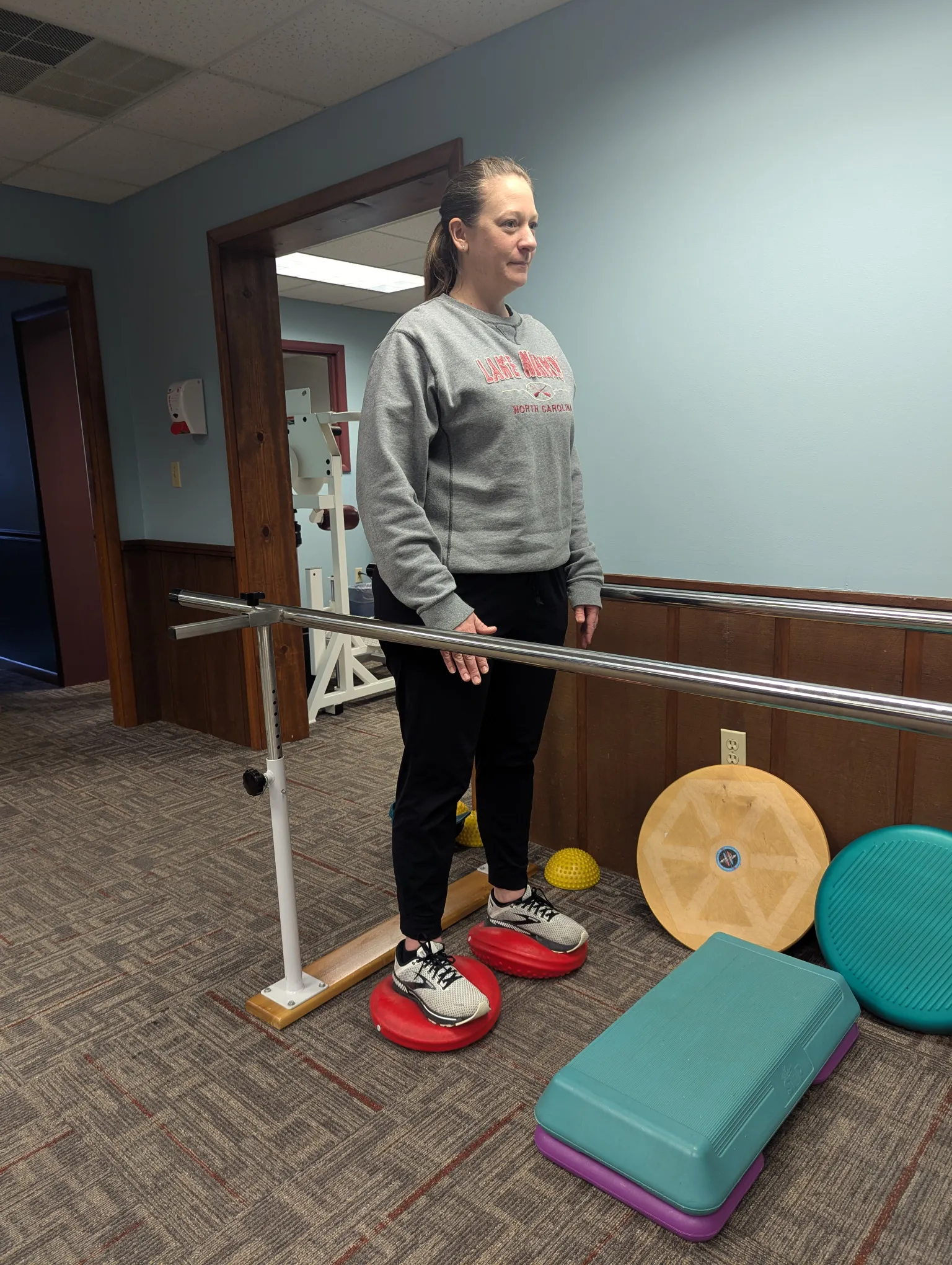
While physical therapy is traditionally viewed through the lens of rehabilitation, its scope extends far beyond recovery from injury. Our Albanese Physical Therapy physical therapists are experts in movement and will design personalized exercise programs that cater to your unique needs and limitations. Our programs not only aim to improve physical health but also serve as a boost for mental health benefits.
Personalized Exercise Programs
A key component of physical therapy is the development of personalized exercise programs. These are tailored to the individual’s specific conditions and goals, whether improving mobility, reducing pain, or enhancing overall physical function and mental well-being.
Pain Management
Chronic pain is a common issue that significantly impacts an individual’s mental health, leading to feelings of frustration, depression, and anxiety. Physical therapy offers various techniques for pain management, such as manual therapy, therapeutic exercises, and education on body mechanics. By addressing the root cause of pain, physical therapy not only improves physical function but also contributes to mental relief and a more positive outlook on life.
Stress Relief and Relaxation
Physical therapy sessions often incorporate stress relief and relaxation elements, such as deep breathing exercises and targeted stretching. These techniques help the recovery process and have a calming effect on the mind, reducing stress and promoting mental clarity.
Boosting Self-Efficacy and Autonomy
One of the most significant mental benefits of physical therapy at Albanese Physical Therapy is the focus on teaching our patients self-care. Learning how to manage one’s health effectively can empower you and give you control over your physical and mental well-being. This approach is crucial for your mental health, as it fosters resilience, self-reliance, and a proactive approach to tackling life’s challenges.
A Holistic Approach to Well-being
Our physical therapists believe in a holistic approach to health, recognizing the intricate connection between the physical and mental aspects of well-being. By promoting physical activity and addressing individual health challenges, our approach can significantly improve mental health, contributing to a more balanced and fulfilling life.

Questions for Rich
Can I benefit from physical therapy if I’m not in pain?
Yes! Physical therapy isn’t just for pain relief. It helps improve mobility, prevent injuries, and enhance strength and function, ensuring you can participate in the activities that matter most to you.
The Path Forward at Albanese Physical Therapy
Starting your journey toward mental and physical balance through physical therapy begins with recognizing the value of staying active. For those struggling with physical limitations, chronic pain, or simply the inertia of a sedentary lifestyle, physical therapy offers a guided, supportive path to reclaiming an active and balanced life. The benefits extend beyond physical health, touching every aspect of well-being and paving the way for a happier, more balanced existence.
Staying active, with the support of physical therapy, offers a powerful means to achieving harmony between the mind and body. It’s a journey worth taking, one step at a time. Call today to schedule a consultation and get started on your road to mental and physical balance!
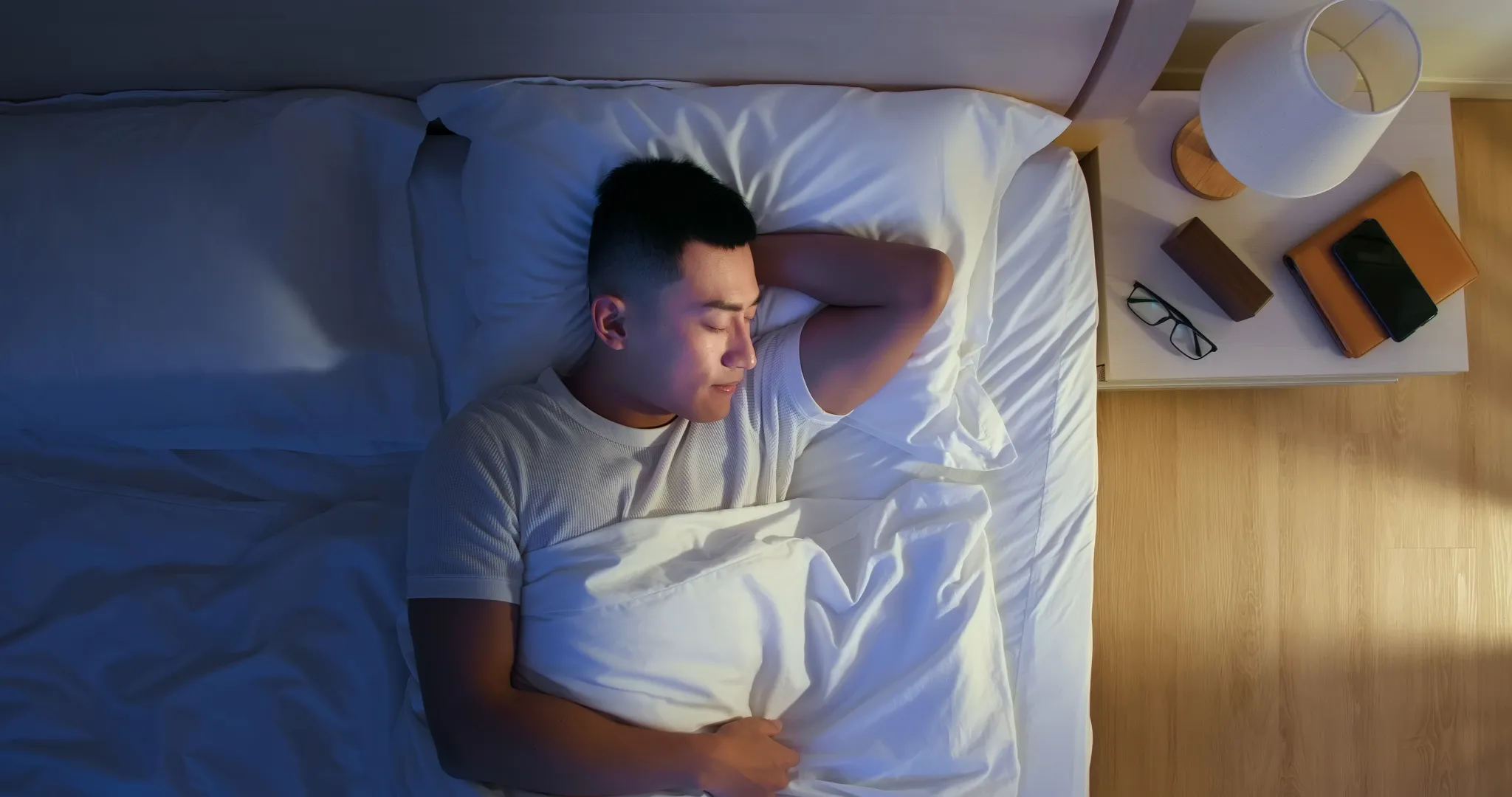
The Healing Power of Sleep
Sleep is vital for our well-being. It’s not just a nightly routine but a key to feeling our best. Sleep does more than just refresh us; it helps prevent injuries, speeds up healing after injuries, and keeps our mental health in check.
At Albanese Physical Therapy, we recommend the following strategies to enhance your sleep:
- Sleep Schedule: Research studies emphasize the importance of consistently going to bed and waking up at the same time daily. Also, get exposure to natural light first thing in the morning to help regulate your circadian rhythm.
- Bedtime Routine: Engage in calming activities before bedtime, such as reading or practicing relaxation techniques like deep breathing.
- Optimal Sleep Environment: Keep your bedroom cool (around 65-68°F), dark, and quiet. Invest in comfortable bedding and a supportive mattress.
- Limit Screen Time: Avoid electronic devices like smartphones and computers at least an hour before bedtime to minimize exposure to disruptive blue light.
- Limit Food and Fluid Before Bed: Reducing fluid intake and avoiding late meals in the evening can help prevent disrupting your sleep.
- Avoid Alcohol and Drugs Before Bed: Drinking alcohol or consuming caffeine and nicotine close to bedtime can disrupt quality sleep.
- Physical Activity: Regular exercise, particularly earlier in the day, can improve sleep quality.
- Manage Stress: Chronic stress can negatively affect sleep quality. Stress management techniques, such as progressive muscle relaxation and mindfulness meditation, help improve sleep quality and reduce insomnia symptoms.
Prioritizing Quality Sleep for a Healthier and Happier Life
Incorporating these strategies into your nightly routine can help you wake up feeling refreshed and ready to tackle the day ahead. Remember, getting a good night’s sleep is one of the best things we can do for ourselves!

Protein PB & J Smoothie Bowl
- 1/4 cup almond, oat, or milk of your choice
- 2/3 cup frozen blueberries
- 2/3 cup sliced strawberries, frozen
- 1 scoop vanilla protein powder
- 1 tbsp peanut butter
- Optional toppings: 1 tablespoon melted peanut butter for drizzling, blueberries, chia seeds
Place your milk into the blender. Add frozen fruit, protein powder, and 1 tablespoon of peanut butter. Seal and blend until smooth. Pour out into a bowl. If using, melt the remaining peanut butter in the microwave for 30 to 45 seconds and drizzle over the bowl. Add desired toppings. Eat right away with a spoon!