Don’t Let Persistent Hip Pain Keep You Down!
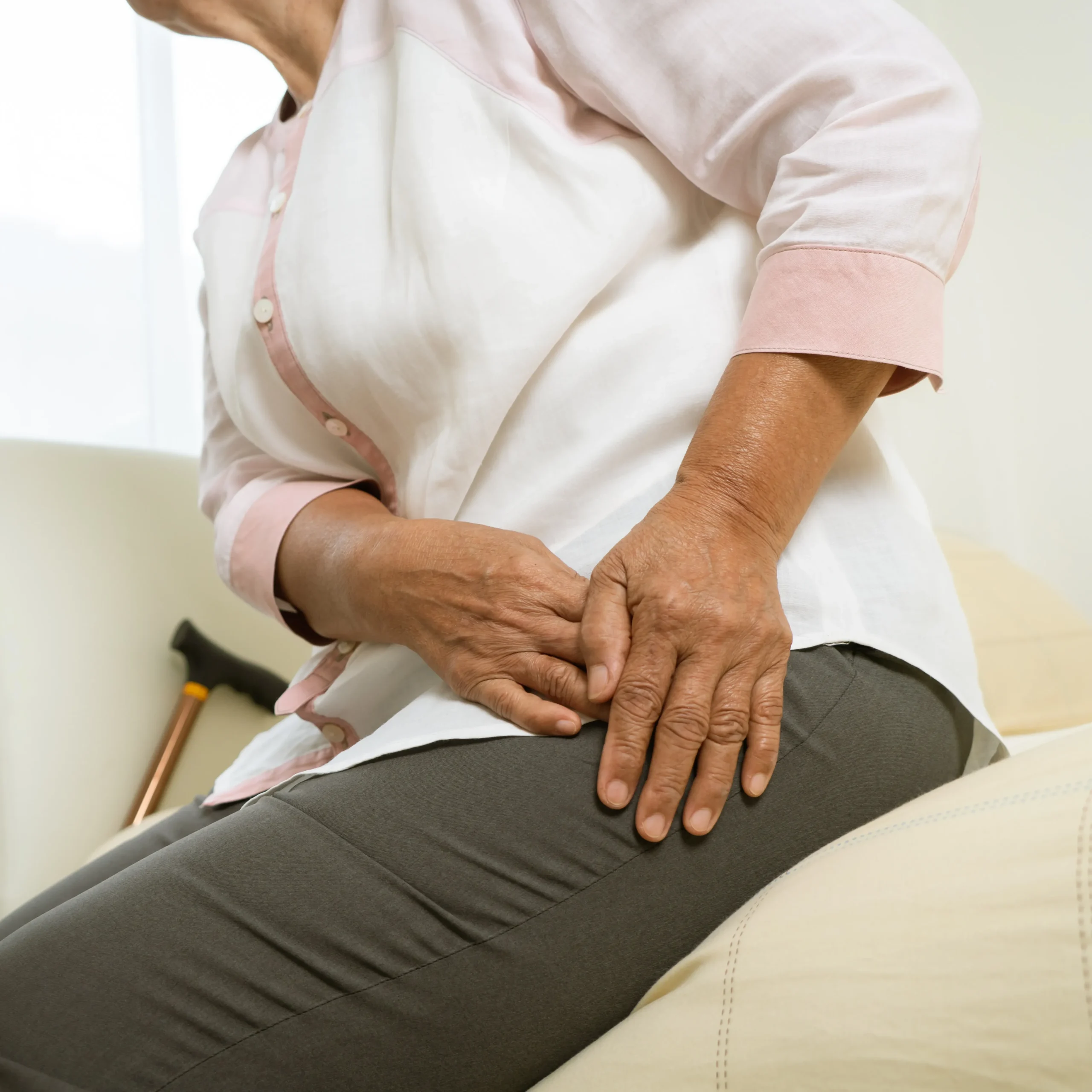
Do you experience pain in your hips while enjoying leisurely walks, climbing stairs, or bending down? Hip pain can significantly limit your ability to perform and enjoy daily activities. Fortunately, treatment with physical therapy can help you find relief and get back to doing what you love!
Understanding Your Hip Joints

Your hips are ball-and-socket joints, where your femur (thigh bone) fits into your pelvis (hip socket). A cushion of cartilage in your hips prevents friction as your hip bone moves within the socket. Pain can occur if this cartilage wears down or is damaged due to age, injury, or overuse.
There are several reasons why you may be experiencing hip pain:
Arthritis
Osteoarthritis is a common cause of hip pain, particularly in older adults. It occurs when the protective cartilage in the hip joint wears down over time, leading to pain, stiffness, and reduced range of motion.
Tears and Ruptures
Ligaments and cartilage in the hips can tear due to injury or overuse, causing pain and instability.
Bursitis
Bursae are fluid-filled sacs that act as a cushion between the bones, tendons, and muscles near the hip. Bursitis, or inflammation of these sacs, can cause pain and tenderness in the hip.
Strains
Sudden or repetitive activities can strain or inflame the muscles and tendons around the hip joint, resulting in pain.
Additional causes of hip pain include fractures, dislocations, and certain diseases. If you experience sudden or severe hip pain, especially after an injury, it is important to contact our office for evaluation as soon as possible.

How Physical Therapy Can Help
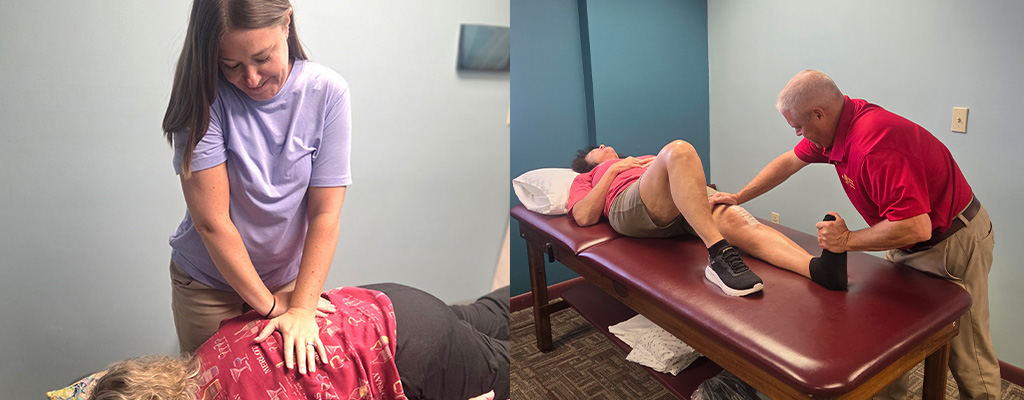
Physical therapy is a highly effective treatment for hip pain. Our PTs are movement experts who will conduct a thorough evaluation to identify the underlying causes of your pain. Your personalized treatment plan may include:
Pain Relief
Specialized techniques, such as manual therapy, joint mobilizations, and soft tissue techniques, can help improve blood flow, free up tension or restriction in movement, and reduce pain in the affected areas.
Mobility Work
Prescribed exercises to improve movement and range of motion in the hip joint.
Strengthening Exercises
Exercises to strengthen the muscles around the hip joint, providing support and stability for a successful recovery.
Has Your Pain Come Back?
Don’t hesitate to schedule an appointment to discuss your personalized treatment plan. Call us today to get started!
Personalized Hip Pain Relief
A retired teacher sought help at our clinic due to persistent hip pain that had gradually worsened over the past year. The pain was most noticeable when standing up from a seated position, during walks with her dog, and at night while trying to sleep. She had tried over-the-counter pain medication, heat therapy, and rest but found minimal relief.
During her evaluation, our physical therapists observed limited range of motion in her hip and noted weakness in the surrounding muscles. After a comprehensive assessment, she was diagnosed with hip osteoarthritis, a common condition associated with aging and wear and tear on the joint.
Our PTs created a tailored treatment plan for her that focused on pain management, improving hip mobility, and strengthening the supporting muscles. Targeted manual therapy techniques were utilized to reduce pain and stiffness, while prescribed exercises aimed to increase her range of motion and improve overall hip function. We also provided her with education on proper body mechanics and strategies for managing daily activities.
After attending every physical therapy session and following exercise instructions in between, she experienced significant improvement in her hip pain and mobility. She was able to resume her daily walks with her dog, enjoy gardening without discomfort, and sleep soundly through the night.
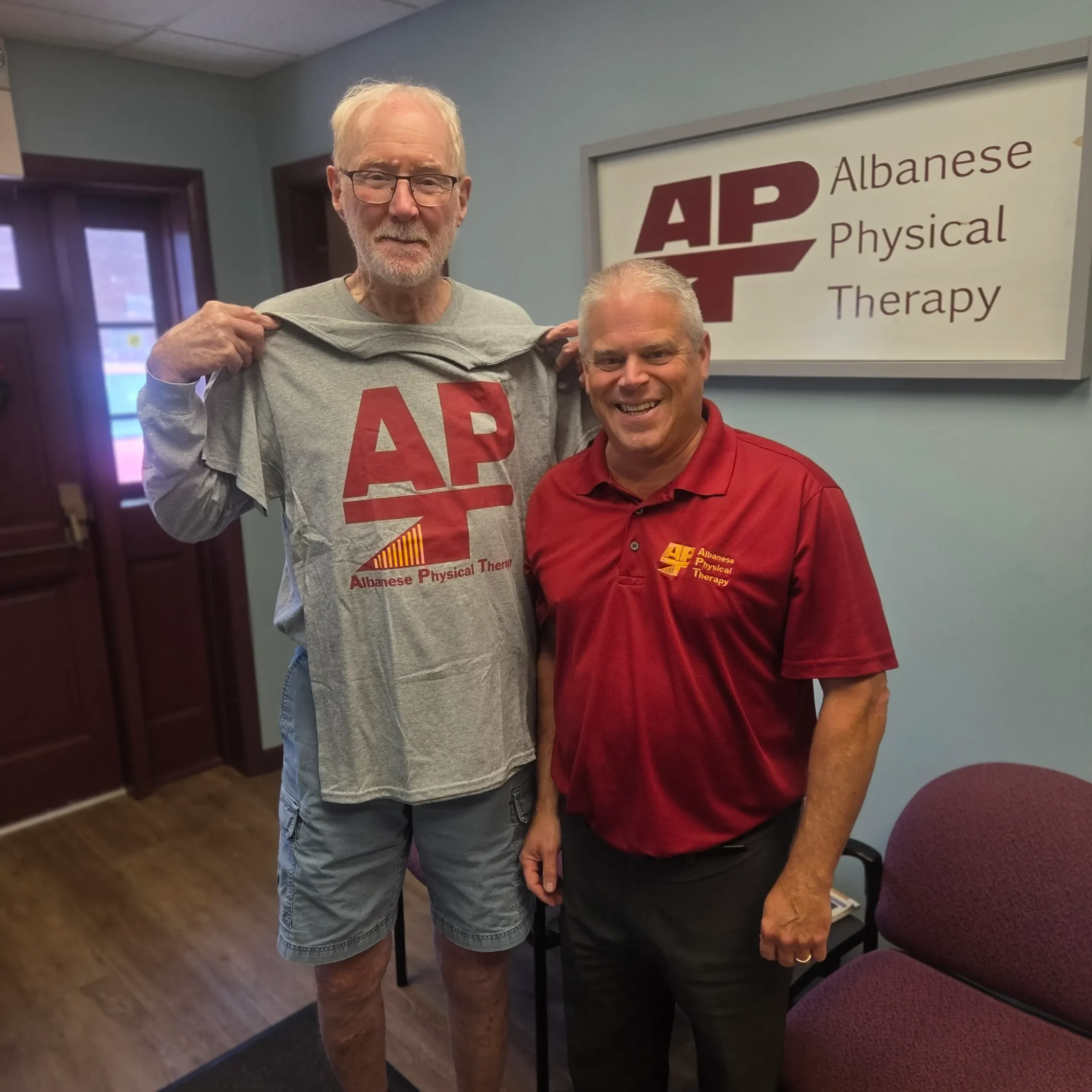
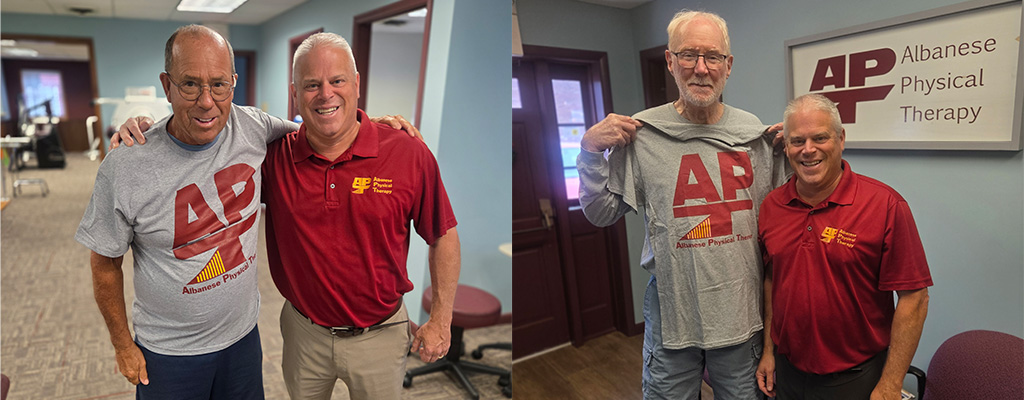
Congratulations, Brad, on graduating from physical therapy!
Your dedication and hard work have truly paid off. Wishing you all the best as you continue moving forward with strength and confidence. Thank you for letting us be part of your journey!
Dana’s Delights
Healthy Recipe: Grilled Salmon with Peach Salsa
Ingredients
- 2 salmon fillets (about 6 oz each)
- 1 tbsp olive oil
- Salt, black pepper, and a pinch of smoked paprika
- 1 large ripe peach, pitted and diced
- ¼ cup red bell pepper, finely chopped
- ¼ cup red onion, finely diced
- 1 tbsp fresh jalapeño, minced (seeds removed for less heat)
- 2 tbsp fresh cilantro, chopped
- Juice of 1 lime
Instructions
- In a medium bowl, combine the diced peach, bell pepper, red onion, jalapeño, cilantro, and lime juice. Toss gently, season with a pinch of salt, and set aside so the flavors can meld.
- Pat the salmon fillets dry with a paper towel. Rub them with olive oil, then season evenly with salt, pepper, and smoked paprika.
- Heat a grill or a stovetop skillet over medium-high heat. Cook the salmon skin-side down for about 4-5 minutes until the skin is crispy. Flip and cook for another 3-4 minutes, or until the fish flakes easily with a fork.
- Transfer the cooked salmon to plates and spoon a generous mound of the fresh peach salsa right over the top.

Prehab and Rehab for Hip Surgery Success
Did you know that physical therapy is an important part of both the preparation for and recovery from hip replacement surgery? Prehabilitation, or “prehab,” focuses on strengthening the muscles around the hip joint and improving mobility to set you up for a faster and smoother recovery.
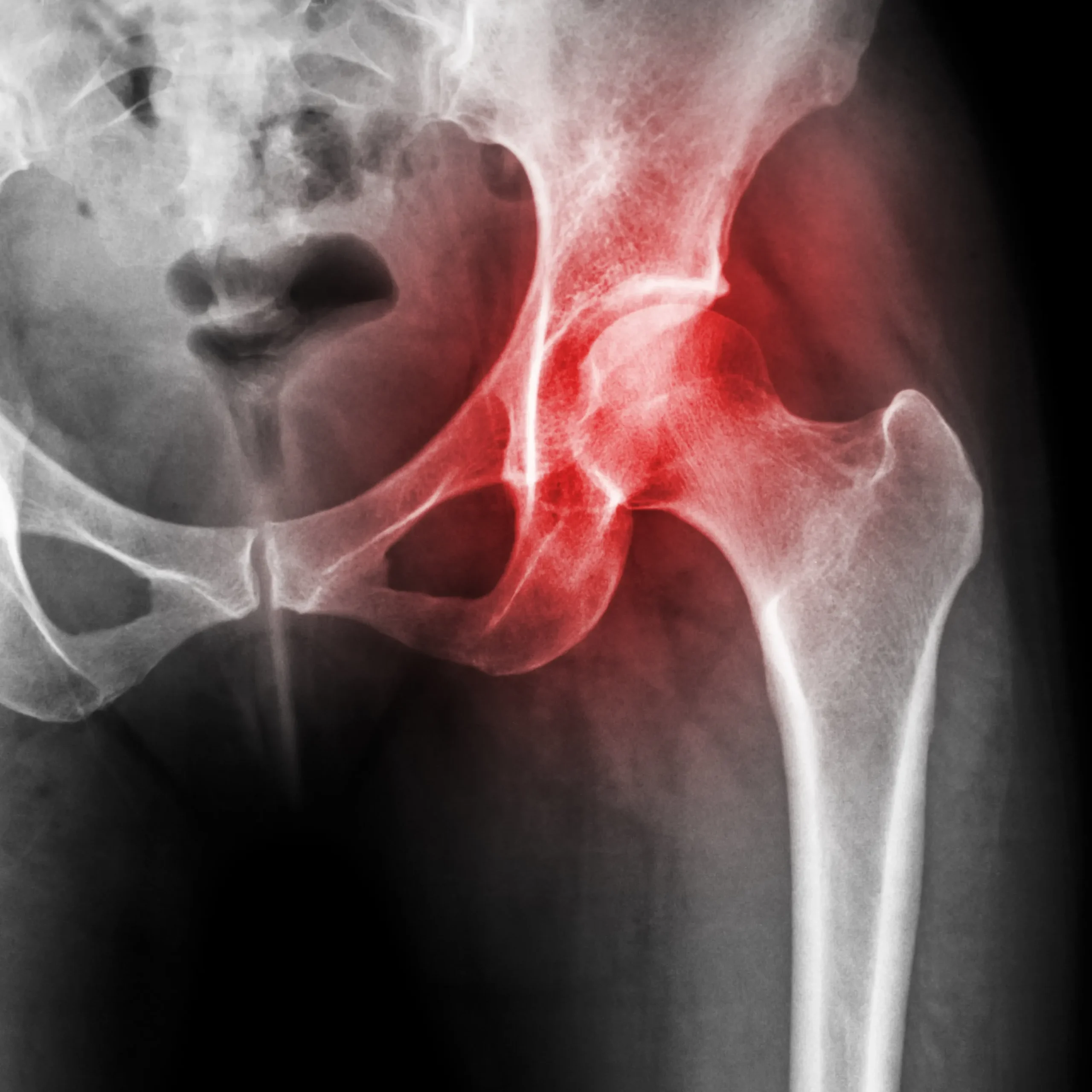
Prehabilitation
Prehab exercises may include:
- Targeted stretching and range-of-motion exercises
- Strengthening exercises
- Gait training and balance activities
Patients may also learn how to use assistive devices like walkers or crutches, as well as practice post-surgery movements like getting in and out of bed or a chair.
Rehabilitation
Rehab begins almost immediately after surgery, with exercises becoming more challenging as the patient heals.
- Early mobilization is key to prevent complications and promote healing
- Prescribed Exercises
- Manage pain
- Help prevent blood clots
- Regain mobility and strength
The duration and intensity of both prehab and rehab vary depending on individual factors such as age, overall health, and the specific surgical approach. However, both are integral components of a successful hip replacement journey by contributing to improved outcomes, reduced pain, and a faster return to normal activities.
Prepare and Recover From Hip Surgery with Albanese Physical Therapy
If you’re planning for hip surgery, or contemplating it down the road, contact us today to learn how our prehab and rehab programs can set you up for success. We’ll answer any questions you have and talk about what to expect at every stage.

Question for Stephanie
Can physical therapy help with balance issues or fall prevention?
Absolutely! Our team can assess strength, sensation, vision, and inner ear function–all factors that can contribute to an increased risk of falls. From there, we’ll create a personalized plan that addresses your specific needs. That might include:
- Leg and core strengthening
- Standing balance work on different surfaces
- Walking practice with turns, obstacles, and dual tasks
- Vestibular exercises for dizziness or vertigo
- Home safety advice and training with canes or walkers
Book an Appointment at Albanese Physical Therapy Today!
At Albanese Physical Therapy, we will perform a comprehensive health assessment and analyze your hip pain and condition. Then, we’ll design a personalized program to help you recover with strength and confidence.
Don’t let hip pain hold you back. Call us today to schedule your first appointment!