Conquering Neck Pain & Headaches: A Tale of Two Journeys
Meet Sarah and John, two individuals living with persistent neck pain and debilitating headaches. Their paths to relief would prove to be markedly different.
Sarah’s Struggle with Neck Pain and Headaches
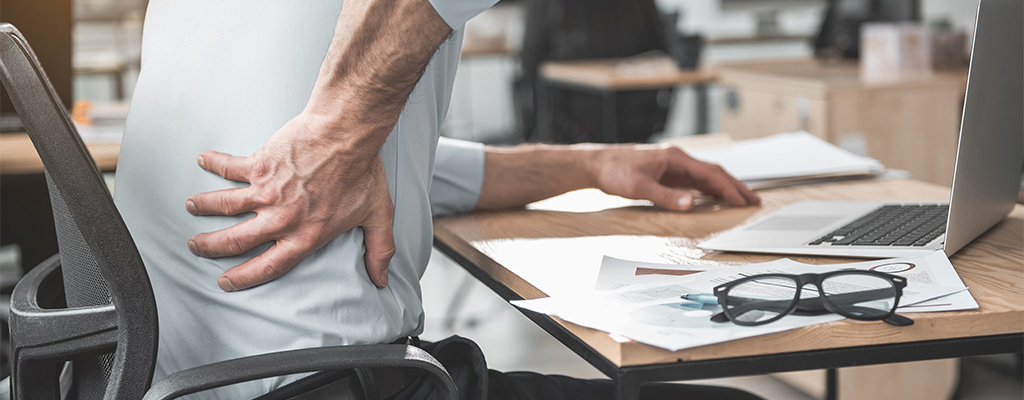
Sarah, a dedicated marketing manager, had always been an overachiever. Her job often demanded long hours hunched over a computer, fine-tuning marketing strategies, and meeting deadlines. The stress of her high-pressure job seemed to manifest physically as she began experiencing persistent neck pain and frequent headaches.
At first, Sarah chalked it up to stress and the demands of her work. She relied on over-the-counter pain relievers to alleviate the discomfort. These pills provided a semblance of relief, and she was grateful for the brief respite they offered.
However, as the weeks turned into months, Sarah noticed the pain progressing. What was once manageable headaches had evolved into searing pain that left her incapacitated. Neck pain became a constant companion, interfering not only with her work but also with her ability to enjoy the things she loved most in her life.
Sleepless nights became the norm, and the pain began to affect her overall well-being. Simple tasks like turning her head to check traffic while driving or enjoying dinner with friends became excruciating endeavors. Sarah realized that the medication she had relied on was no longer effective, and her life was spiraling out of control.

Questions for Rich
What should I bring to my first appointment?
In addition to wearing comfortable clothing, bring your insurance card, prescription from your referring physician (if applicable), and completed intake forms. If you’re visiting us after a work or auto accident, bring information about your case manager or insurance adjuster, including their names, phone numbers, and any claim numbers.
John’s Journey to Recovery
On the other hand, John, a software engineer, faced a similar battle with neck pain and headaches. Like Sarah, his job required long hours in front of a computer screen. Initially, John also turned to over-the-counter pain relievers to manage the discomfort.
Unlike Sarah, John recognized that temporary relief wasn’t enough. He knew he needed a more comprehensive solution to address the root cause of his pain. After researching, he decided to seek help from Albanese Physical Therapy.
John’s physical therapist thoroughly evaluated his posture, range of motion, and muscle strength at his first appointment. They discussed his work habits and daily activities to identify potential triggers for his pain. It became apparent that his neck pain and headaches were closely tied to poor ergonomics at work and muscle imbalances in his neck and upper back.
With this understanding, John’s physical therapist designed a personalized treatment plan that included:
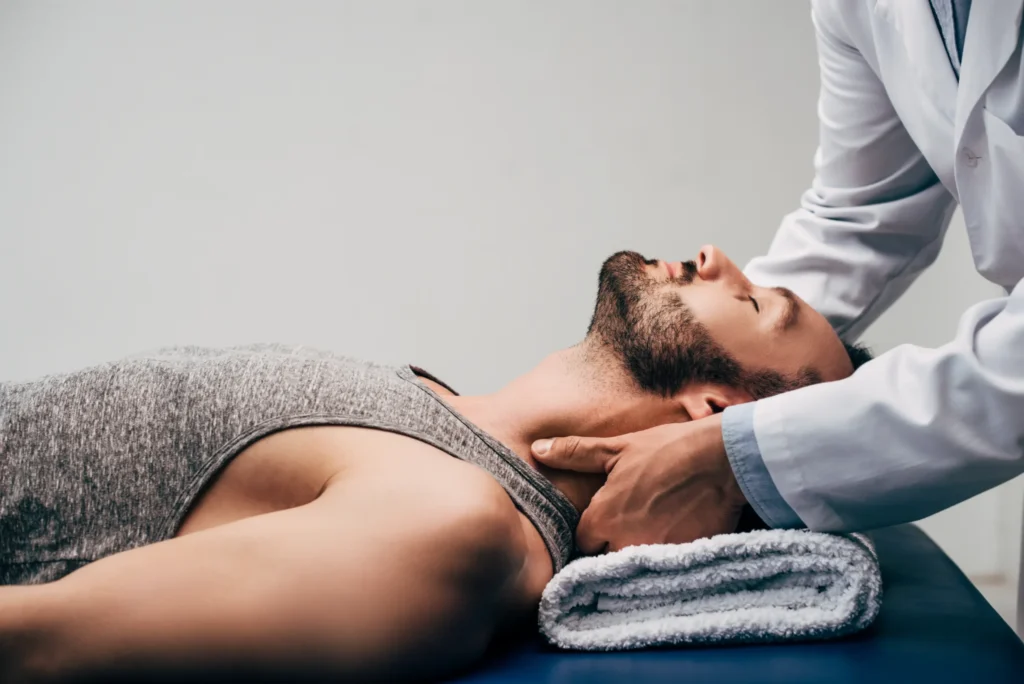
- Manual Therapy: John’s physical therapist performed manual techniques to release tension in his neck and upper back muscles. This provided immediate relief and improved his range of motion.
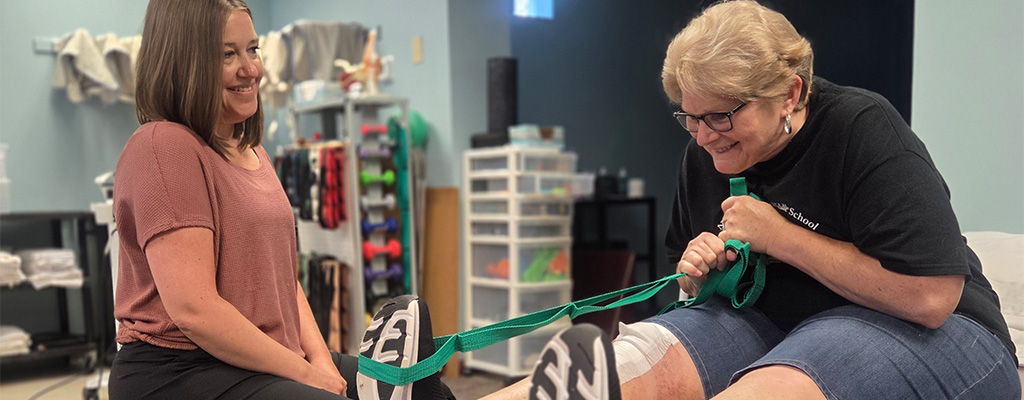
- Targeted Stretches: The therapist taught John stretches to help relieve muscle tension and improve mobility in the neck joints and upper back muscles to help reduce the frequency and intensity of neck pain and headaches.
- Postural Correction: John learned exercises to improve his posture and strengthen his neck and upper back muscles. These exercises helped him maintain better positions during long hours at the computer.
- Ergonomic Education: John received guidance on optimizing his workspace ergonomics, including raising his computer monitor to eye level and using an ergonomic chair at his desk. The small changes made a significant difference.

The Contrasting Outcomes
As John diligently followed his physical therapy plan, he began to experience positive changes. The frequency and intensity of his headaches diminished, and his neck pain significantly subsided. With his newfound knowledge of ergonomics and posture, he felt more in control of his health.
Sarah, on the other hand, continued to rely on over-the-counter medication in a futile attempt to manage her pain. Her condition worsened, and the once manageable headaches evolved into debilitating migraines. Sleepless nights persisted, and her daily life became increasingly limited.
It wasn’t until Sarah saw John’s transformation that she decided to take action. She sought the guidance of one of our physical therapists, just as John had done months earlier. Through a comprehensive evaluation and a tailored treatment plan, Sarah began her journey to recovery.
A Lesson Learned: Seek Comprehensive Care at Albanese Physical Therapy
While temporary relief from over-the-counter medication may offer initial respite, addressing the root cause of the problem is essential for lasting improvement. Our physical therapists will guide you toward a life free from chronic pain and headaches by addressing posture, ergonomics, and muscle imbalances.
It’s never too late to seek the path to recovery and regain control of your life!
What to Do After Physical Therapy Ends
Completing a course in physical therapy is a significant achievement, but it’s essential to continue caring for your body even after your formal sessions end. Here’s a roadmap for what to do when physical therapy concludes, applicable to any patient:
- Maintain Your Home Program: Continue with the exercises and stretches prescribed by your physical therapist as part of your home program. Consistency is key to sustaining the progress you’ve made.
- Listen to Your Body: Pay close attention to any signs of discomfort or new symptoms. If something doesn’t feel right or if a familiar issue resurfaces, don’t ignore it. It’s a sign to take action.
- Don’t Wait for Problems to Get Worse: Proactive care is essential. If you notice even minor discomfort or changes in your condition, contact Albanese Physical Therapy right away. Addressing issues while they’re small typically leads to quicker and more straightforward solutions.
Your physical therapist is just a call away. If your home program isn’t providing the desired results or if you’re facing a new challenge, consider returning to Albanese Physical Therapy for help. Addressing issues promptly often leads to quicker resolution.
Post PT Routines: Stay Ahead of the Curve
Your journey to better health doesn’t end when physical therapy concludes; it merely enters a new phase. By staying committed to your home program, actively monitoring your body, and seeking help when necessary, you can continue to thrive and enjoy a life free from pain and limitations.

Feel Better by Eating Better!
Juicy Baked Chicken Breast
- 4 (7 to 8 oz) boneless, skinless chicken breasts
- 2 tsp olive oil
- 1 tbsp chili powder
- 1 tsp parsley flakes
- 1/2 tsp salt
- 1/2 tsp black pepper
- 1/2 tsp garlic powder
- 1/2 tsp onion powder
- 1/2 tsp cumin
Pre heat oven to 425 degrees F. Line a baking sheet with foil and spray with non-stick spray. Place the chicken breasts between two sheets of parchment paper and pound to an even thickness. Drizzle both sides of chicken with olive oil. Combine seasonings and sprinkle generously over both sides of the chicken breasts. Bake for 20 minutes. Remove from oven and cover loosely with foil for 5 minutes before slicing.